
Can dentists adjust night guard appliances when they suddenly feel too tight? If your night guard once fit perfectly but now feels uncomfortable or difficult to remove, you’re not alone. Is it normal, or a sign something’s wrong? Before you stop wearing it, there’s something important you should know. Let’s take a closer look.
Visit specialists in orthodontics in Forest Hills.
TL;DR:
Night guards may feel tight due to fit imperfections, dental changes, or bite shifts, and professional adjustments are often necessary. Dentists evaluate pressure points, bite alignment, and material thickness to ensure even force distribution and comfort. Proper refinement and follow-up visits help the guard protect effectively without causing pain, TMJ strain, or long-term bite problems.
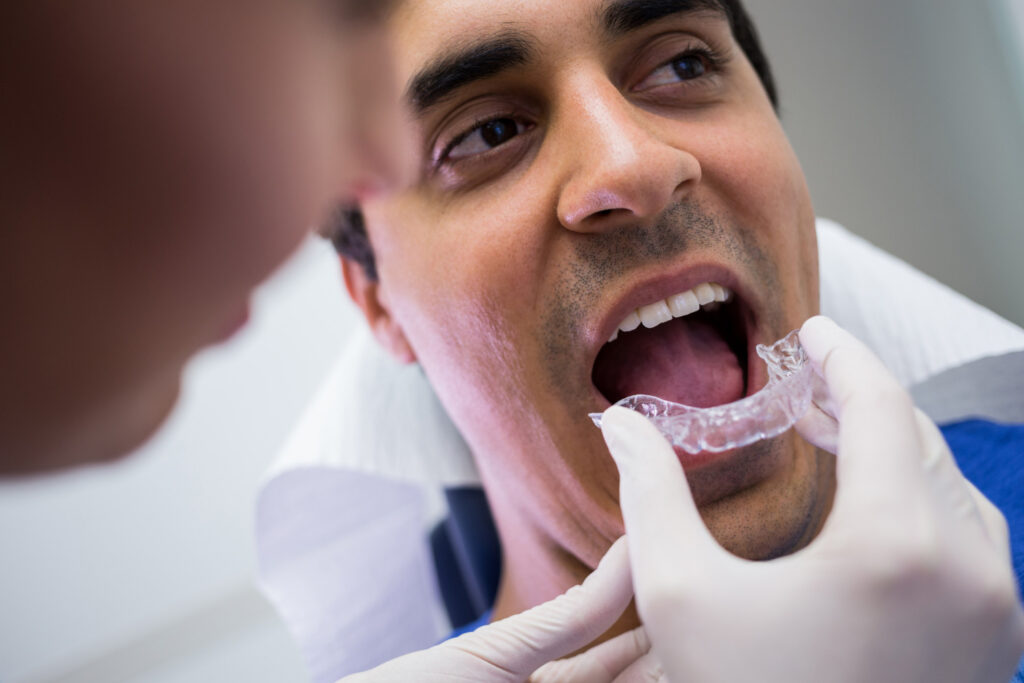
Why Would a Night Guard Need Adjustment?
Night guards, also called occlusal guards or bite splints, are designed to protect teeth from grinding (bruxism) and reduce jaw muscle tension. Even when custom-made from impressions or digital scans, they may require adjustments after delivery to ensure proper comfort and function.
One common reason is initial fit imperfections, such as small high spots or uneven contact areas that create pressure on certain teeth. In addition, natural changes in dental anatomy, recent dental work, or gum changes can alter how the guard fits over time. Jaw muscles may also shift slightly as they adapt to wearing the appliance.
For a night guard to be effective, it must provide protection without creating excessive pressure or interfering with normal bite mechanics. If it feels too tight, too loose, or uneven, it can reduce its protective benefit and may contribute to discomfort, headaches, jaw pain, or worsening TMJ symptoms. Adjustments are often a normal and necessary part of achieving proper fit and comfort.
Schedule a Dental Visit for a Proper Fit Evaluation
If your night guard feels uncomfortable, doesn’t seat fully, or causes persistent soreness beyond the first few nights of adaptation, a professional evaluation is essential. Only a dentist can objectively assess how the guard matches your dental anatomy and bite mechanics.
During this visit, the dentist will:
- Observe where your teeth make contact with the guard and determine whether pressure points or uneven bite contacts are present.
- Examine your jaw position and evaluate how the upper and lower teeth come together through the guard.
- Identify signs of irritation on the gums, cheeks, or jaw muscles that may suggest the guard is placing pressure in the wrong areas.
A properly focused evaluation helps ensure the guard distributes biting forces evenly, reduces abnormal stress on the jaw muscles, and minimizes unwanted pressure that can lead to pain or oral injury. Regular follow-up appointments are also important because your bite and muscle patterns can evolve over time, and adjustments help maintain both comfort and long-term dental health.
Examine Pressure Points and Areas Causing Discomfort
Pressure points are specific areas on a night guard that press more firmly against certain teeth than others. When this happens, you may notice sharp or painful spots when biting down, soreness beneath a particular tooth or group of teeth, or red and irritated gum or soft-tissue areas after waking up.
These symptoms usually indicate that the guard’s surface does not perfectly match your occlusal (bite) pattern. To evaluate this, dentists use tools such as articulating paper to identify where the guard makes first contact with opposing teeth. This process helps highlight areas that are too high or applying excessive force.
By carefully identifying and adjusting these pressure points, a trained clinician can reshape problem areas so biting forces are distributed more evenly across all teeth. This improves comfort and helps prevent long-term concerns such as muscle strain or changes in bite alignment.
Adjust the Night Guard Material for Better Comfort
After identifying pressure points or uneven contact areas, the next step is adjusting the night guard material itself. These modifications are designed to improve comfort while maintaining proper protection against grinding and clenching.
Adjustments may include:
- Polishing or trimming high spots: Small areas of acrylic or plastic that create excessive pressure can be carefully smoothed or reduced.
- Softening bottlenecks: In thermoplastic guards, controlled softening can relieve tight edges that cause discomfort.
- Refining thickness: Thinning overly bulky sections may improve comfort without reducing protective function.
These changes must be performed carefully, as removing too much material can compromise stability or protection. Skilled adjustments help create an optimal balance, allowing the guard to feel more natural in the mouth while continuing to protect against excessive forces. Professional refinement often results in a night guard that feels truly customized and significantly more comfortable for patients who initially struggled with it.
Check Bite Alignment to Ensure Even Contact
A night guard is designed not only to protect your teeth, but also to interact properly with your bite. When you close your teeth with the guard in place, all teeth should make even contact. If contact is uneven, certain teeth may absorb more force than others, which can lead to jaw discomfort or TMJ strain, persistent soreness in specific areas, or a bite that feels “off” in the morning.
Even minor misalignment can unintentionally alter your natural occlusal position instead of stabilizing it. For this reason, clinicians carefully evaluate bite alignment to confirm the guard promotes balanced occlusion, where biting forces are distributed evenly across the dental arch.
If bite alignment has changed due to dental work or natural shifts in your teeth, the night guard may require refinement or even replacement to properly match the updated dental configuration.
Test the Fit and Make Final Minor Refinements
The final step in achieving a comfortable night guard is a thorough fit test after all adjustments have been completed. This stage ensures the appliance not only fits properly but also feels stable and balanced during use.
During this process, the dentist will have you bite down repeatedly to confirm that no teeth feel “too high.” You may also be asked to wear the guard briefly to check for discomfort or rubbing. The clinician will observe how the guard seats when fully inserted and confirm that it does not cause soreness or interfere with normal bite mechanics.
Even with careful adjustments, small refinements may still be needed. These minor changes can significantly improve comfort and long-term tolerance. A detailed fit test helps ensure that when you leave, your night guard feels secure, functions properly, and integrates smoothly into your nightly routine without creating additional strain or discomfort.
Key Takeaways.
- Night guards often require adjustments for proper comfort and function.
Even custom-made guards may have high spots, uneven contact, or fit changes due to dental shifts. Without adjustment, a tight or uneven guard can cause discomfort, headaches, or TMJ strain. - Professional evaluation ensures accurate fit and bite alignment.
Dentists assess contact points, jaw position, and signs of irritation. This helps confirm the guard distributes biting forces evenly and protects without altering normal bite mechanics. - Pressure points are a common source of discomfort.
Uneven contact can create sore spots, gum irritation, or tooth sensitivity. Identifying and reshaping these areas improves comfort and prevents long-term bite issues. - Material refinements enhance comfort without reducing protection.
Polishing high spots, softening tight areas, or refining thickness can improve tolerance. Careful adjustments maintain stability while making the guard feel more natural. - Final fit testing ensures long-term success.
Dentists confirm even contact, proper seating, and absence of soreness. Minor refinements after testing help the guard function smoothly and comfortably in daily use.
FAQs:
Can a dentist adjust a night guard?
Yes. Dentists can identify pressure points, uneven contact areas, and bite misalignment, then polish, trim, or refine the material to improve comfort and ensure even force distribution.
Why do dentists push night guards?
Night guards protect teeth from grinding (bruxism), reduce jaw muscle tension, and help prevent excessive stress that can lead to discomfort or TMJ symptoms.
How to adjust a dental mouthguard?
Adjustments should be performed by a dentist. They evaluate bite contact and pressure areas, then carefully modify the material to maintain protection while improving fit and comfort.
Can a custom night guard shift your teeth?
If improperly aligned or uneven, a night guard can alter bite contact and potentially affect occlusion. Proper evaluation and adjustment help prevent unintended changes.
Sources.
Albagieh, H., Alomran, I., Binakresh, A., Alhatarisha, N., Almeteb, M., Khalaf, Y., Alqublan, A., & Alqahatany, M. (2023). Occlusal splints-types and effectiveness in temporomandibular disorder management. The Saudi dental journal, 35(1), 70–79. https://doi.org/10.1016/j.sdentj.2022.12.013
Ainoosah, S., Farghal, A. E., Alzemei, M. S., Saini, R. S., Gurumurthy, V., Quadri, S. A., Okshah, A., Mosaddad, S. A., & Heboyan, A. (2024). Comparative analysis of different types of occlusal splints for the management of sleep bruxism: a systematic review. BMC oral health, 24(1), 29. https://doi.org/10.1186/s12903-023-03782-6
You May Also Like.
What Is Comprehensive Orthodontic Treatment?