Choosing what’s the best local dentist offering accelerated six-month aligners can feel like a guessing game, especially when every provider claims fast, flawless results. But what if there’s a simple way to cut through the noise and spot the right expert instantly? In this article, you’ll discover the essential factors most people overlook, and the one surprising detail that could completely change your treatment outcome.
Start your alignment journey with a dentist in Queens Blvd.
TL;DR
Accelerated orthodontics speeds up tooth movement by enhancing bone remodeling through surgical, minimally invasive, or non-surgical methods, offering faster results than traditional treatment but with varying effectiveness and added considerations. Six-month aligners suit adults with mild-to-moderate anterior issues and good periodontal health, and long-term success depends on consistent monitoring, individualized retention, and careful oversight of periodontal and root health.
How Does Accelerated Orthodontic Treatment Work?
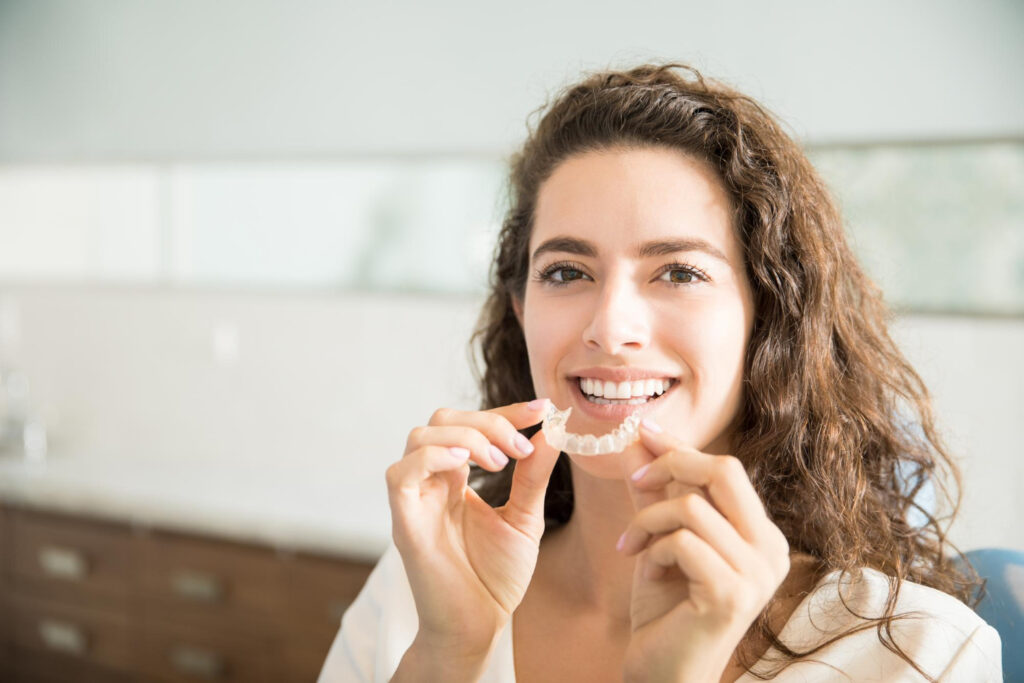
Accelerated orthodontic treatment refers to a group of techniques designed to increase the rate of orthodontic tooth movement, helping patients reach their goals more quickly while maintaining safety and long-term stability. All methods rely on the same biological foundation: speeding up bone remodeling. As a tooth moves, bone must break down on one side and rebuild on the other. By boosting this cellular activity, treatment time can be shortened without compromising controlled movement.
A main concept behind many accelerated techniques is the Regional Acceleratory Phenomenon (RAP), a temporary surge in bone turnover that occurs after minor, localized bone injuries. Clinicians leverage RAP through targeted surgical or minimally invasive procedures that stimulate bone remodeling around the teeth being moved.
These methods briefly reduce bone density and increase turnover, enabling teeth to react more quickly to orthodontic forces. Non-surgical tools, including mechanical vibration, low-level laser therapy, photobiomodulation, and certain medication-based approaches, aim to activate similar pathways by influencing inflammation and osteoclastic activity, but with less invasiveness.
Current research demonstrates mixed levels of effectiveness. Surgically assisted techniques tend to produce the most reliable reductions in treatment time, whereas less invasive options often show smaller or inconsistent results. Safety data from systematic reviews indicate that, when performed properly, accelerated methods generally do not cause major periodontal or tooth-health issues, though more high-quality studies are still needed to clarify long-term outcomes. In essence, accelerated orthodontics works by temporarily enhancing bone remodeling to allow orthodontic forces to achieve faster, controlled tooth movement while balancing effectiveness, invasiveness, and patient needs.
Differences Between Traditional and Accelerated Orthodontics
Comprehending how traditional orthodontics compares to accelerated methods starts with recognizing that each approach moves teeth using the body’s natural bone-remodeling process, but at very different speeds. Traditional treatment relies solely on the patient’s baseline biology, while accelerated orthodontics uses additional techniques to increase bone turnover and shorten treatment time.
| Category | Traditional Orthodontics | Accelerated Orthodontics |
| Goal & Biological Pace | Uses steady forces guided by natural bone turnover; comprehensive cases often take 12–24+ months. | Intentionally speeds up remodeling to reduce total treatment time, especially helpful for adults. |
| Techniques Used | Brackets, wires, and/or aligners only. | Adds adjuncts: surgical (corticotomy, piezocision, PAOO), minimally invasive (micro-osteoperforations), or non-surgical (vibrations, photobiomodulation, medications). |
| Effectiveness | Predictable but slower; pace is limited by biology. | Surgical adjuncts offer the most consistent time reduction; less invasive methods show mixed or modest results. |
| Best Suited For | Full, comprehensive orthodontic correction, including complex bite or skeletal issues. | Targeted goals like anterior alignment or canine retraction; not ideal for large skeletal corrections. |
| Risks & Patient Experience | No procedural add-ons; standard orthodontic discomfort. | May involve surgical time, postoperative tenderness, or higher costs; non-surgical options are gentler but less potent. |
| Safety & Considerations | Long-established framework with predictable outcomes. | Generally safe when performed correctly; requires careful case selection and clear expectations due to variable evidence. |
Candidate Requirements for Six-Month Aligner Programs
Six-month aligner programs offer fast cosmetic improvements, but they are only suitable for patients whose dental and periodontal conditions allow for safe, predictable movement. These short-term treatments focus on limited goals, so identifying the right candidate is essential before beginning care.
Ideal candidates typically have:
- Mild-to-moderate anterior malocclusion, such as crowding, spacing, or minor rotations, with acceptable posterior occlusion and jaw relationships.
- Good periodontal and dental health, with no active gum disease, untreated decay, or hygiene issues that could interfere with bone remodeling.
- High motivation and consistent compliance, including wearing aligners 20–22 hours per day and attending scheduled follow-ups or adjunctive procedures.
- Realistic expectations as adults, comprehending that six-month programs address limited cosmetic concerns and may still require refinement or retention phases.
- Favorable root and bone anatomy, without short roots, previous resorption, or extremely thin bone plates that could limit safe movement.
If broader bite correction or skeletal changes are needed, clinicians typically recommend comprehensive orthodontic treatment instead.
Maintaining Progress and Monitoring Tooth Movement
Maintaining treatment progress and ensuring that teeth move safely are just as important as achieving results quickly. Modern orthodontic monitoring blends traditional clinical oversight with digital tools and structured retention strategies to support long-term stability.
Monitoring strategies
In-person appointments remain essential for evaluating tooth movement, checking appliances, and performing any needed adjunctive procedures. The frequency of these visits depends on the technique used, accelerated surgical approaches often require more frequent early follow-ups, while some non-surgical methods may allow slightly longer intervals. Remote digital monitoring has also become a valuable tool, using smartphone photos and dedicated platforms to track aligner fit, hygiene, and tooth position between visits.
Retention and relapse prevention
Retainers are fundamental to preserving results after both accelerated and traditional orthodontic treatment. Because accelerated techniques can influence the timing of bone remodeling, clinicians often recommend individualized retention plans, sometimes with longer or more structured retention periods for adults.
Safety monitoring (periodontal and root health)
Ongoing evaluation of periodontal health and root condition is critical. Clinicians monitor probing depths, attachment levels, and radiographic indicators of root resorption. Current evidence suggests that surgically accelerated methods do not consistently increase major periodontal risks when properly managed, but isolated issues can occur. When adjunctive tools such as micro-osteoperforations, vibration, or laser therapy are used, clinicians document baseline conditions and follow established reassessment protocols to ensure safe, stable outcomes.
Key Takeaways
- Accelerated orthodontics speeds up tooth movement by enhancing bone remodeling, often through surgical or minimally invasive techniques. While surgical methods show the most consistent results, non-surgical options offer milder and sometimes inconsistent improvements, all aiming to reduce treatment time safely.
- Traditional and accelerated orthodontics differ in pace, techniques, and suitability. Traditional treatment follows natural biology and takes longer, while accelerated methods add adjunctive procedures to increase remodeling speed. Accelerated care is best for targeted tooth movements, not complex skeletal corrections.
- Six-month aligner programs work only for specific candidates, mainly adults with mild-to-moderate front-tooth issues, good periodontal health, and strong compliance. These programs are not appropriate for patients needing major structural or bite corrections.
- Retention and monitoring are essential for long-term stability, with in-person and digital check-ins ensuring safe progress. Retainers play a critical role, especially for adults, who may require longer or more tailored retention periods after accelerated treatment.
- Safety oversight focuses on periodontal and root health, using clinical exams and radiographs to detect issues early. When properly selected and monitored, accelerated methods generally do not show increased major risks, though careful reassessment remains necessary.
FAQs:
Is it possible to complete Invisalign in 6 months?
Yes, when the goals are limited to mild-to-moderate front-tooth alignment. More complex bite or skeletal issues typically require full orthodontic treatment.
What is accelerated Invisalign?
Accelerated Invisalign refers to using techniques that speed up tooth movement to shorten overall treatment time while maintaining safe, controlled movement.
What are 6-month teeth aligners?
Six-month aligners are short-term cosmetic orthodontic programs designed for adults with mild anterior crowding or spacing. They focus on improving the front teeth only, not correcting major bite problems.
Is 6 months of Invisalign worth it?
It can be worthwhile for adults with the right conditions, mild alignment needs, good periodontal health, and strong compliance. Nevertheless, if broader bite correction is required, longer comprehensive treatment is the better option.
Sources.
Gabada, D., Reche, A., Saoji, K. P., Deshmukh, R., Rathi, N., & Mantri, A. (2023). Accelerated Orthodontics: Stepping Into the Future Orthodontics. Cureus, 15(10), e46824. https://doi.org/10.7759/cureus.46824
Hartogsohn, C. R., & Sonnesen, L. (2025). Clear Aligner Treatment: Indications, Advantages, and Adverse Effects—A Systematic Review. Dentistry Journal, 13(1), 40. https://doi.org/10.3390/dj13010040
You Also May Like:
Can Invisalign Fix Overbite? Treatment Time & Effectiveness
Does Dental Insurance Cover Retainers?
When to Start Orthodontic Treatment? Best Age and Key Benefits