Not all dental crowns are created equal—but how do you know which one is right for your smile? When exploring the types of dental crowns available today, the differences go far beyond appearance. Materials, durability, and function all play a role in treatment success. So which option truly fits your needs? Let’s take a closer look.
Compare Options for dentures in Queens.
TL;DR:
Dental crowns restore damaged teeth by improving strength, function, and appearance, with material choice depending on tooth location, bite force, and aesthetic needs. Options include porcelain and ceramic for natural-looking front teeth, metal for maximum durability in back teeth, porcelain-fused-to-metal for balanced performance, and zirconia for combining high strength with improved aesthetics.
What are the Most Common Types of Dental Crowns?
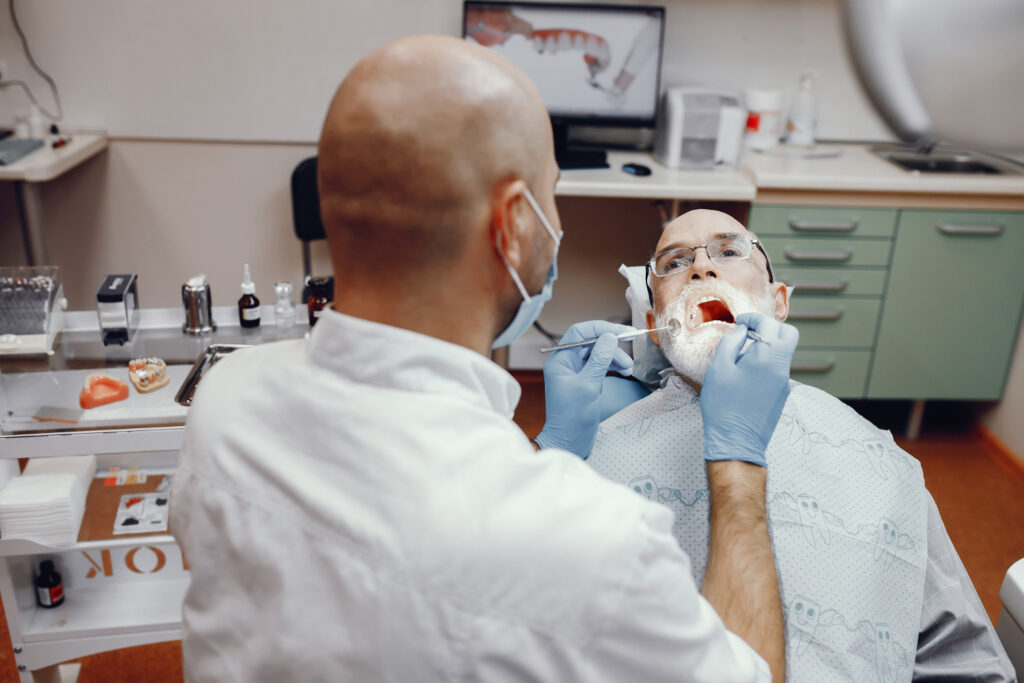
Dental crowns are custom restorations that completely cover a damaged, decayed, fractured, or cosmetically flawed tooth. By capping the entire visible portion of the tooth, they restore strength and function while also improving appearance and protecting the remaining tooth structure.
The material chosen for a crown depends on several factors, including whether it will be placed in the front or back of the mouth, how much chewing force it must withstand, your aesthetic expectations, and any material sensitivities.
It can be made from metal, ceramic or porcelain, combinations of materials such as porcelain-fused-to-metal, or advanced ceramics like zirconia. Each option has its own advantages and limitations, making material selection an important part of the overall treatment approach.
Porcelain Crowns for Natural Appearance
Porcelain ones, also known as all-porcelain or all-ceramic crowns, are valued for their natural, life-like appearance. Porcelain closely mimics the color, translucency, and light-reflecting qualities of natural enamel, making these are especially suitable for teeth in the smile zone where aesthetics are a primary concern. They are also biocompatible, meaning they typically do not cause allergic reactions, and they can be custom-matched to blend seamlessly with adjacent teeth.
While porcelain crowns offer excellent aesthetics, traditional versions are generally more brittle than metal or zirconia options. They may be more prone to chipping under heavy biting forces, particularly in back teeth. Although advances in ceramic technology have improved their strength, other materials may still be recommended for areas exposed to greater chewing pressure.
Clinically, porcelain materials have demonstrated good long-term performance for anterior restorations and are often chosen when achieving a natural appearance is the main priority.
Ceramic Crowns Designed for Front Teeth
Ceramic crowns are metal-free restorations known for their highly aesthetic results. They are especially popular for restoring front (anterior) teeth, where achieving a natural appearance is essential.
Main characteristics of ceramic crowns include:
- Metal-free composition: Often made from materials such as feldspathic porcelain, lithium disilicate, or other high-esthetic ceramics.
- Natural appearance: Designed to match the exact shade and optical properties of surrounding teeth.
- Improved translucency and durability: Many modern ceramics use advanced glass or crystal structures to enhance strength and light reflection.
- Suitable for moderate bite forces: Provide adequate strength for typical function in visible areas.
- Best for aesthetic zones: May be less durable than metal or zirconia in heavy bite areas, which is why they are commonly recommended for teeth where appearance matters most.
Metal Crowns Built for Strength and Durability
Metal crowns have been used for many decades and remain a reliable option for restoring back (posterior) teeth that must withstand heavy chewing forces. They are made from metal alloys such as gold, palladium, nickel, chromium, and other base metals, providing exceptional durability.
Characteristics:
- High strength and fracture resistance: Extremely durable under strong biting forces.
- Excellent wear resistance: Withstand chewing wear and are resistant to corrosion.
- Conservative tooth preparation: Typically require less removal of natural tooth structure compared with other crown types.
- Long-term durability: Well-suited for areas where longevity is a priority.
- Limited aesthetics: Do not resemble natural tooth color, making them less suitable for visible front teeth.
Because of their appearance, metal crowns are most commonly used on molars, where strength and durability are more important than aesthetics.
Porcelain-Fused-to-Metal Crowns for Balanced Use
Porcelain-fused-to-metal (PFM) are among the most well-established options in restorative dentistry. They feature a strong metal substructure (core) covered by a tooth-colored porcelain exterior, creating a hybrid design that balances durability and appearance. This combination makes them versatile enough for use on both front and back teeth.
The metal base provides dependable strength and structural support, while the porcelain layer can be color-matched to adjacent teeth for a more natural look. This dual structure allows PFM crowns to meet both functional and aesthetic demands in many clinical situations.
Nevertheless, there are some limitations. Over time, a thin dark line near the gumline may become visible if the gums recede, and the porcelain surface can chip under heavy biting forces. Despite these considerations, PFM crowns remain widely used because they offer a reliable balance between functional performance and natural appearance.
Zirconia Crowns Combining Strength and Aesthetics
Zirconia pieces are made from zirconium dioxide (ZrO₂) and are considered one of the most advanced materials in modern restorative dentistry. As a high-strength ceramic, zirconia offers excellent durability while providing a more natural appearance than traditional metal ones.
One of its main advantages is strong resistance to fracture and long-term wear. Research shows that zirconia performs well under significant chewing forces, making it suitable for both back (posterior) and front (anterior) teeth.
Zirconia is also metal-free and highly biocompatible, which makes it appropriate for patients with metal sensitivities. High-translucency formulations improve aesthetics, allowing zirconia crowns to combine strength with a lifelike appearance across many clinical situations.
Key Takeaways.
- Dental crowns restore strength, function, and appearance.
It fully covers damaged or flawed teeth to protect remaining structure and improve aesthetics. Material selection depends on tooth location, chewing force, appearance goals, and sensitivities. - Porcelain and ceramic crowns prioritize natural aesthetics.
These metal-free options closely mimic natural enamel in color and translucency. They are ideal for front teeth but may be less durable than metal or zirconia under heavy forces. - Metal crowns offer maximum strength and longevity.
Made from durable alloys, they resist fracture, corrosion, and wear. Because they lack natural tooth color, they are most often used on back teeth. - Porcelain-fused-to-metal crowns balance durability and appearance.
A metal core provides strength, while the porcelain exterior offers a natural look. Though reliable, they may show a dark gumline over time or experience porcelain chipping. - Zirconia crowns combine strength with improved aesthetics.
This high-strength, metal-free ceramic resists fracture and performs well under heavy chewing forces. With enhanced translucency and biocompatibility, zirconia is increasingly favored for both front and back teeth.
FAQs:
Which type of dental crown is best?
There is no single “best” crown for everyone. The ideal option depends on the tooth’s location, chewing forces, aesthetic goals, and material sensitivities.
What are the three types of dental crowns?
Three common types are metal crowns, ceramic or porcelain, and porcelain-fused-to-metal (PFM) crowns. Zirconia is another widely used modern option.
What’s the best kind of crown to get?
The best crown is the one that balances strength, durability, and appearance based on your specific clinical needs and where the tooth is located.
Is a ceramic or zirconia crown better?
Ceramic crowns are often preferred for front teeth due to aesthetics, while zirconia offers greater strength and durability, making it suitable for both front and back teeth.
Sources.
Alharethi N. A. (2024). The Effectiveness of Zirconia Crowns Versus Metal Crowns in Anterior Teeth: In vitro Study. Journal of pharmacy & bioallied sciences, 16(Suppl 3), S2682–S2684. https://doi.org/10.4103/jpbs.jpbs_369_24
Vijan K. (2024). Emerging trends and clinical recommendations for zirconia ceramic crowns: a concise review. British Dental Journal, 237(1), 28–32. https://doi.org/10.1038/s41415-024-7616-0
You May Also Like:
Dental Crown Procedure Steps: A Complete Guide