Last updated: May 7, 2026
Quick Answer: Preventive healthcare services — routine screenings, vaccinations, lifestyle counseling, and wellness checkups — directly reduce the risk of chronic disease and disability over a lifetime. People who engage consistently with preventive care report better physical function, lower medical costs, and longer independent living compared to those who seek care only when symptoms appear.
Key Takeaways
- 🩺 Preventive care catches disease risk early, when it’s far easier and cheaper to address.
- Chronic diseases like type 2 diabetes and heart disease are among the most preventable through early intervention.
- Regular screenings (blood pressure, cholesterol, cancer) are the backbone of preventive healthcare services.
- Preventive care reduces emergency hospitalizations and long-term disability rates.
- Lifestyle counseling — diet, exercise, sleep — is a core component, not just an add-on.
- Adults who skip preventive visits often face higher out-of-pocket costs later from advanced-stage treatment.
- Mental health screenings are now a recognized part of comprehensive preventive care.
- Preventive services are most effective when personalized by age, sex, family history, and risk factors.

What Are Preventive Healthcare Services?
Preventive healthcare services are medical interventions designed to stop illness before it starts — or catch it early enough to prevent serious harm. They fall into three categories:
| Type | Examples | Goal |
|---|---|---|
| Primary prevention | Vaccines, lifestyle counseling | Prevent disease onset |
| Secondary prevention | Cancer screenings, blood pressure checks | Early detection |
| Tertiary prevention | Cardiac rehab, diabetes management programs | Limit disease progression |
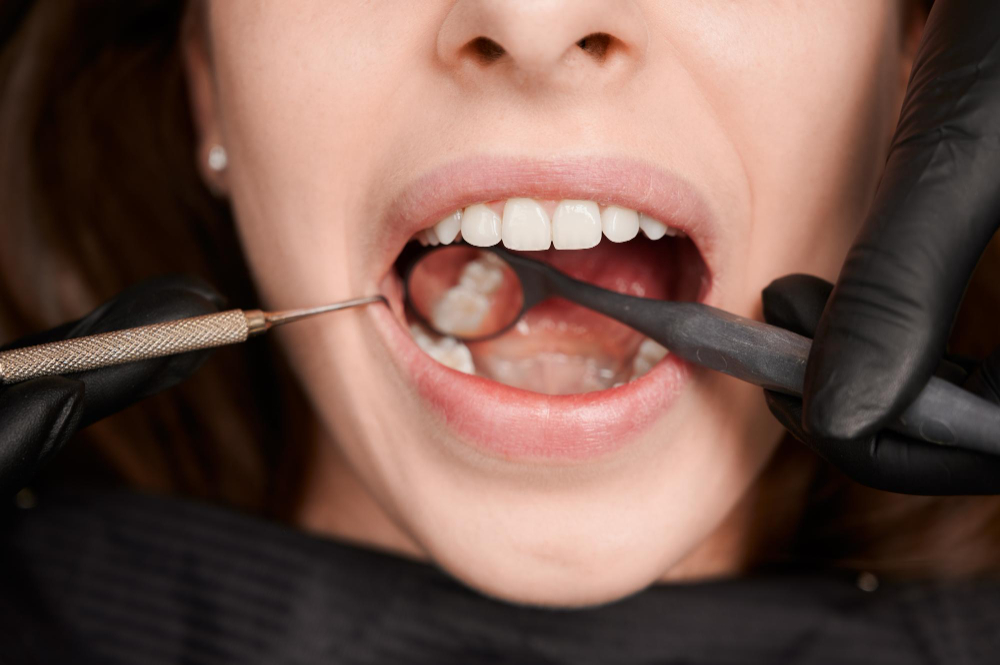
Most people are familiar with annual physicals, but preventive care also includes dental exams, vision checks, mental health assessments, and genetic risk counseling.
How Do Preventive Healthcare Services Improve Quality of Life?
Consistent use of preventive healthcare services reduces the likelihood of developing disabling conditions that limit daily function. The connection is direct: earlier detection means less aggressive treatment, fewer complications, and more years of independent, active living.
Key benefits include:
- Lower disease burden — Conditions like hypertension are manageable when caught early, but costly and debilitating when ignored.
- Better mental health outcomes — Routine mental health screenings identify anxiety and depression before they become chronic.
- Reduced caregiver dependence — Adults with strong preventive care histories maintain independence longer into older age.
“An ounce of prevention is worth a pound of cure” remains clinically accurate: the CDC estimates that managing chronic disease accounts for roughly 90% of U.S. healthcare spending annually (CDC, 2023).
Who Benefits Most from Preventive Care?
Everyone benefits, but the return on investment is highest for adults over 40, people with family histories of chronic illness, and individuals with modifiable risk factors like smoking or obesity. Children also gain significantly through vaccinations and developmental screenings.
Choose more frequent preventive visits if you:
- Have a first-degree relative with heart disease, diabetes, or cancer
- Smoke or have a history of smoking
- Are managing pre-diabetes, high cholesterol, or elevated blood pressure
Conclusion: Start Now, Live Better Later
The evidence is clear: preventive healthcare services are among the most reliable investments a person can make in their own future. Start by scheduling an annual wellness visit, reviewing your recommended screenings by age, and discussing family history with your doctor. Small, consistent actions today compound into decades of better health, lower costs, and greater independence.
Actionable next steps for 2026:
- Book a preventive wellness exam if you haven’t had one in the past 12 months.
- Ask your provider which screenings are recommended for your age and risk profile.
- Review your vaccination history — adults often overlook boosters.
- Track one lifestyle metric (blood pressure, weight, sleep hours) monthly.
FAQ
Q: Are preventive healthcare services covered by insurance? Most U.S. health plans are required under the Affordable Care Act to cover recommended preventive services at no cost-sharing when you use an in-network provider.
Q: How often should I get a preventive checkup? Most healthy adults benefit from an annual wellness visit. Frequency increases with age or the presence of chronic risk factors.
Q: Does preventive care actually save money? Yes, for many conditions. Treating early-stage hypertension or pre-diabetes costs significantly less than managing a heart attack or end-stage kidney disease.
Q: What’s the difference between preventive care and primary care? Primary care addresses existing symptoms and conditions. Preventive care focuses on maintaining health and catching problems before symptoms appear. Many primary care providers deliver both.
Q: Is mental health screening part of preventive care? Yes. Depression and anxiety screenings are now included in standard preventive care guidelines for adults and adolescents.
Q: Can lifestyle changes replace medical preventive screenings? No. Healthy habits reduce risk, but they don’t replace screenings that detect silent conditions like high blood pressure, colon cancer, or elevated blood glucose.
References
- Centers for Disease Control and Prevention. (2023). Chronic disease and health promotion. https://www.cdc.gov/chronicdisease
- U.S. Preventive Services Task Force. (2023). Recommendations for primary care practice. https://www.uspreventiveservicestaskforce.org