How much does a night guard cost from the dentist, and why do prices vary so much? If you’ve been told you need one for grinding or jaw pain, you might be wondering what you’re really paying for. Is it just a piece of plastic, or something more customized? Before you decide, there are main factors that can significantly impact the final cost.
Personalized support at orthodontics in Forest Hills.
TL;DR:
A custom night guard from a dentist typically costs $300–$800, while online custom options range from $100–$300, and OTC guards cost $10–$60. Price depends on materials, fabrication method, case complexity, location, and follow-up care. Insurance may partially cover custom guards if medically necessary. Though more expensive upfront, custom guards offer better fit, durability, and long-term protection against costly dental damage.
What Is the Average Cost of a Custom Night Guard?
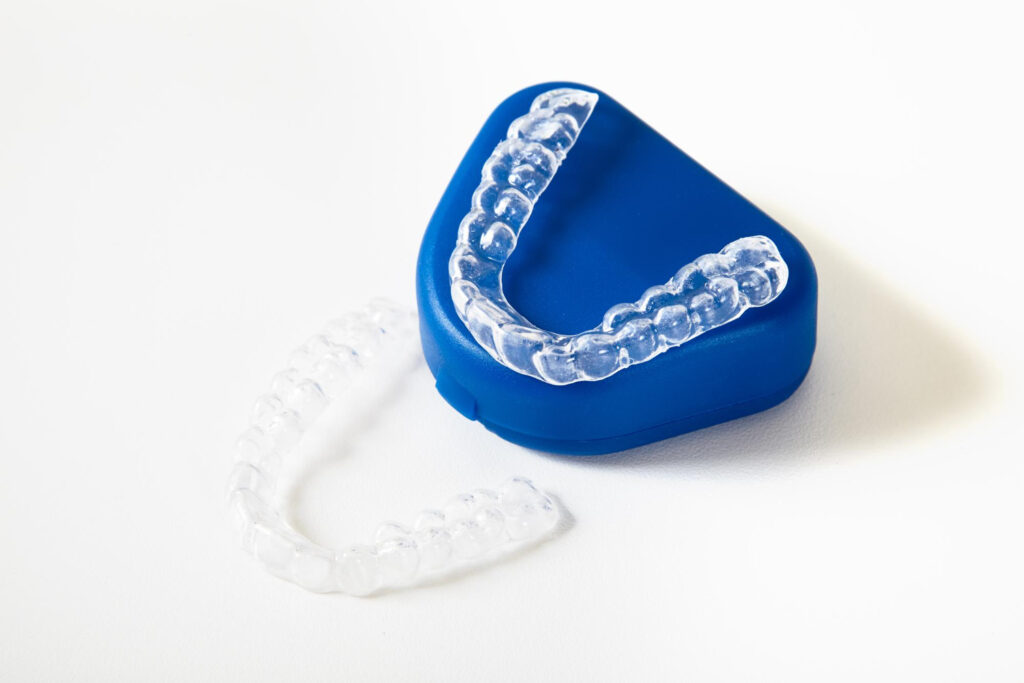
The average cost of a custom dental night guard varies depending on how and where it is made, the materials used, and whether a dentist is directly involved. When fabricated in a clinical setting by a dentist, most patients can expect to pay approximately $300 to $800 USD for a single appliance. In more complex cases or when premium materials are used, the cost may be higher. This price typically includes the dental exam, impressions or digital scans, laboratory fabrication, and any clinical adjustment appointments.
If impressions are taken at home and sent to a professional dental lab through an online service, the cost is often lower, generally around $100 to $300 USD, since dental office visit fees are not included. In contrast, over-the-counter or boil-and-bite guards usually cost between $20 and $60 USD, but they are not truly custom-fitted and may provide less comfort and protection.
Clinically, night guards, also referred to as occlusal guards, are designed to protect enamel and other oral structures from damage caused by grinding and clenching during sleep. They are intended to shield teeth from wear rather than eliminate bruxism itself.
Elements That Influence the Price of a Night Guard
Several factors affect the total cost of a custom night guard:
1. Materials Used:
Guards made from high-grade acrylic or dual-laminate plastics generally cost more than basic thermoplastic boil-and-bite options. Higher-quality materials are typically stronger and more durable, which can justify the increased price.
2. How It’s Fabricated:
A guard created from a mail-in impression kit is usually less expensive than one made after a full dental exam, intraoral scanning, and chair time. In-office services increase the cost due to professional labor, equipment use, and operational expenses.
3. Complexity of the Case:
Patients with severe bruxism, TMJ symptoms, or bite misalignment may require thicker materials or advanced multi-layer designs, which can raise laboratory and appointment fees.
4. Geography and Clinic Fees:
Costs tend to be higher in urban or high-cost areas due to increased rent, wages, and lab charges, while smaller or rural practices may offer lower pricing.
5. Follow-up Visits and Adjustments:
Some dentists include post-delivery adjustments in the original fee, while others charge separately. If multiple refinements are needed for comfort, this can increase the total cost.
Comparing Costs Between Over-the-Counter and Custom Options
When evaluating night guard costs, it’s helpful to compare over-the-counter (OTC) options with professionally fabricated custom guards side by side. While OTC products have a lower upfront price, custom appliances typically offer better fit, durability, and long-term protection—factors that can influence overall value over time.
| Type of Night Guard | Typical Cost (USD) | Fit & Comfort | Durability & Protection |
| OTC / Stock Guard | $10–$60 | Generic, ready-to-wear; may feel bulky | Short-term use; less effective force distribution |
| Boil-and-Bite Guard | $20–$60 | Molded at home; slightly improved fit | Better than stock, but not truly custom; limited longevity |
| Custom Guard (Online Lab) | $100–$300 | Made from impressions; customized fit | More durable; improved comfort and protection |
| Custom Guard (Dental Office) | $300–$800+ | Fabricated from impressions or digital scans with professional adjustments | Best fit, strongest materials, long-term protection (often 2–5 years with proper care) |
Insurance Coverage and Out-of-Pocket Expenses
Whether a night guard is covered by dental insurance depends on your individual plan and whether a dentist considers it medically necessary. Many insurance plans provide partial coverage for custom night guards when they are prescribed to treat a diagnosed condition such as bruxism or TMJ disorder.
Nonetheless, coverage varies widely. Some policies may cover only a percentage of the total cost, leaving the remaining balance as an out-of-pocket expense, while others may not cover over-the-counter (OTC) or online lab-made guards at all.
Insurance reimbursement usually requires documentation from your dentist. Even when coverage is approved, patients may still be responsible for deductibles, copayments, or limitations on how frequently a night guard can be replaced (for example, once every several years). OTC guards and many online kits often do not qualify for standard dental insurance benefits, although in some regions they may be eligible for reimbursement through Health Savings Accounts (HSA) or Flexible Spending Accounts (FSA).
Extra Fees for Adjustments and Follow-Up Visits
In addition to the base cost of fabrication, there may be additional expenses associated with obtaining and maintaining a night guard:
- Initial dental exam and bite evaluation: A clinical assessment before fabrication may include exam fees, imaging, and diagnostic procedures.
- Adjustment visits: After delivery, modifications to improve comfort or fit may involve extra charges, though some providers include these in the original price.
- Replacement costs: If a guard is lost, damaged, or no longer fits properly due to dental changes, new impressions and fabrication may be required. In some cases, labs may offer discounted remake pricing if the original mold is still available.
Although these added costs can increase the total investment, proper adjustments and follow-up care often improve comfort, fit, and long-term protection.
Long-Term Value of Investing in a Properly Fitted Guard
Although custom night guards generally cost more upfront than over-the-counter alternatives, they can provide meaningful long-term value. Bruxism can contribute to enamel wear, fractures, and gum damage, issues that often require restorative treatments such as crowns or implants.
A well-fitted guard also promotes greater comfort and consistency in use. By reducing jaw tension, headaches, and sleep-related muscle fatigue, it can improve nighttime comfort and support better sleep quality. Increased comfort often leads to better compliance, which is essential for ongoing protection.
In addition, custom guards made from high-quality materials in professional dental labs typically last 2 to 5 years with proper care, decreasing the need for frequent replacements compared to inexpensive OTC options. By helping prevent progressive tooth damage, a custom night guard serves as a preventive investment, potentially lowering the risk of complex, higher-cost treatments and preserving long-term dental health.
Key Takeaways.
- Cost Varies by Type and Fabrication Method
Custom night guards made in a dental office typically cost $300–$800+, while online lab versions range from $100–$300. OTC and boil-and-bite guards cost $10–$60 but are not truly custom. Pricing reflects materials, professional exams, lab work, and adjustments. - Several Factors Influence the Final Price
Material quality, fabrication method, case complexity, geographic location, and follow-up visits all affect cost. Severe bruxism or TMJ cases may require advanced designs, increasing fees. Additional adjustments or replacement needs can also add to overall expenses. - Insurance Coverage Is Variable
Some dental plans partially cover custom night guards if deemed medically necessary, but reimbursement depends on the policy. Patients may still face deductibles, copayments, and usage limits. OTC or online options often do not qualify for standard insurance benefits. - Extra Fees May Apply Beyond the Base Price
Costs can include initial exams, imaging, adjustment appointments, and future replacements if the guard is lost or no longer fits. While these increase total investment, they help ensure proper fit and long-term effectiveness. - Custom Guards Offer Greater Long-Term Value
Though more expensive upfront, custom guards provide better durability (often lasting 2–5 years), comfort, and protection. By preventing enamel wear, fractures, and gum damage, they may reduce the likelihood of costly restorative treatments over time.
FAQs:
Are night guards from the dentist worth it?
For many patients, yes. Custom night guards provide better fit, durability, and long-term protection than OTC options. They can help prevent enamel wear, fractures, and gum damage, potentially reducing the need for costly restorative treatments.
How much do dental night guards cost?
Custom night guards from a dental office typically cost $300–$800+. Online custom options range from $100–$300, while OTC guards usually cost $10–$60 but offer less durability and protection.
How long should I use a night guard?
Night guards are used nightly for ongoing protection against grinding and clenching. Custom guards made from high-quality materials often last 2–5 years with proper care before needing replacement.
Does insurance pay for a night guard?
Some dental insurance plans provide partial coverage if the guard is deemed medically necessary, such as for bruxism or TMJ. Nevertheless, coverage varies, and patients may still have deductibles, copayments, or coverage limits.
Sources.
Lal SJ, Sankari A, Weber, DDS KK. Bruxism Management. [Updated 2024 May 1]. In: StatPearls [Internet]. Treasure Island (FL): StatPearls Publishing; 2025 Jan-. Available from: https://www.ncbi.nlm.nih.gov/books/NBK482466/
Prasad, S., Arunachalam, S., Boillat, T., Ghoneima, A., Gandedkar, N., & Diar-Bakirly, S. (2023). Wearable Orofacial Technology and Orthodontics. Dentistry journal, 11(1), 24. https://doi.org/10.3390/dj11010024
You May Also Like:
Dental Braces and Medical Conditions: Are They Compatible?