If you’ve ever wondered how long a new patient dentist appointment takes, and why the timing can vary so much, you’re not alone. What actually happens during that first visit may surprise you. In this article, you’ll uncover the hidden steps most patients never think about, plus the one timing factor that can completely change your experience.
Schedule your checkup with a trusted dentist in Queens Blvd
TL;DR
A new patient dental appointment is a comprehensive visit that gathers your medical and dental history, evaluates your teeth, gums, and jaw for early signs of disease, and determines which diagnostics or cleanings are needed. The exam includes charting, periodontal checks, risk assessment, and radiographs only when appropriate. You may also receive preventive treatments, hygiene instructions, and guidance on next steps. Preparing records, questions, and medical details helps streamline the visit, while follow-up care is scheduled based on urgency, treatment needs, and your long-term oral-health risk.
What Happens During a New Patient Dental Exam?
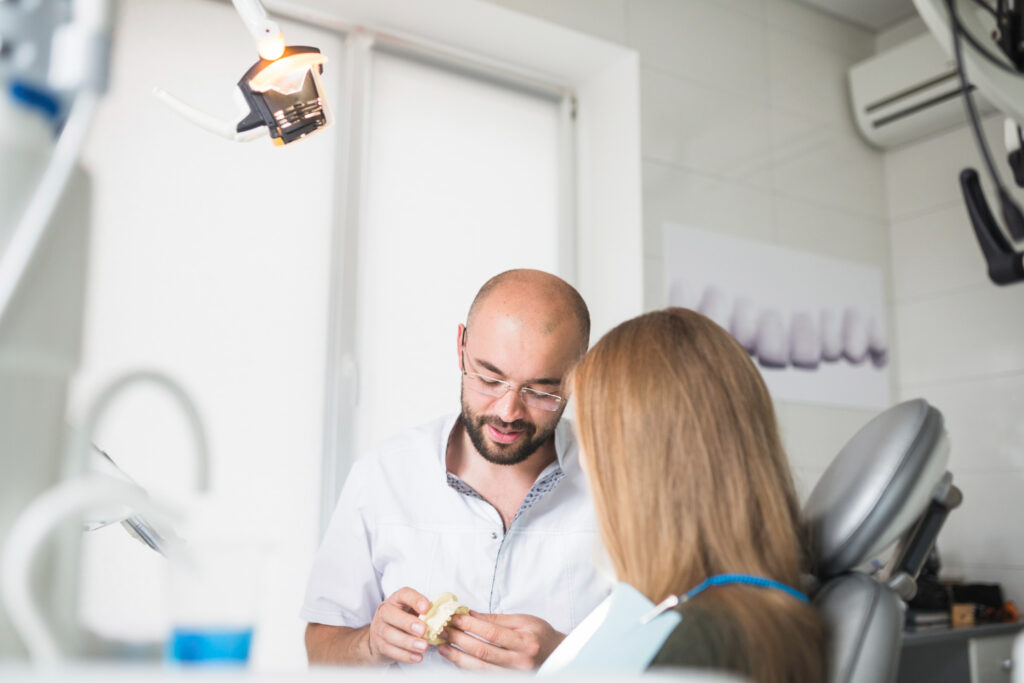
A new-patient dental exam is a comprehensive appointment designed to understand your oral health from the ground up. The dental team begins by gathering your medical and dental history, learning about past treatments, current concerns, and any risk factors that may influence your oral health. This background helps guide the clinical evaluation that follows.
During the exam, the dentist carefully assesses your mouth, teeth, gums, and jaw structures to detect early signs of disease, often before symptoms become noticeable, since sometimes an oral disease may not cause any pain or signs that you can easily see until the disease has reached a more serious stage. Depending on what they find, the next steps may include routine cleaning, radiographs, additional diagnostic tests, or developing a personalized treatment plan tailored to your needs.
Steps Included in a New Patient Dental Appointment
A new patient dental visit is designed to give the clinician a complete picture of your oral and overall health. It combines history-taking, a thorough examination, diagnostic decision-making, and personalized counseling to set the foundation for safe, effective, and preventive care.
Essential steps in a new patient dental appointment:
- Medical & Dental History Review – Discussion of medications, allergies, systemic conditions, past treatments, and current concerns to identify risks and clarify goals.
- Extraoral & Intraoral Examination – Evaluation of the face, TMJ, lymph nodes, soft tissues, gums, and teeth, including periodontal measurements and documentation of baseline findings.
- Charting & Occlusion Check – Recording existing restorations, missing or damaged teeth, wear patterns, and assessing how the bite comes together to detect clenching, grinding, or alignment issues.
- Risk Assessment & Counseling – Reviewing decay, periodontal, lifestyle, and oral-cancer risks, followed by individualized oral-hygiene and dietary guidance based on professional preventive recommendations.
- Radiograph (X-ray) Decisions – Ordering X-rays only when clinically indicated to reveal issues not visible in the exam, balancing diagnostic value with radiation safety.
Common Procedures Performed During the Visit
A new patient dental appointment may include several foundational procedures designed to evaluate your oral health, prevent disease, and identify concerns early. Each procedure is performed only when clinically appropriate and is typically discussed with you beforehand to support shared decision-making.
- Prophylaxis / Dental Cleaning
If offered during the first visit, a cleaning may include scaling to remove plaque and tartar, followed by polishing. Some practices complete a full hygiene visit at the same appointment when it is medically appropriate. - Radiographs
Depending on clinical findings, bitewing, periapical, or panoramic radiographs may be taken. These images help detect hidden decay, bone loss, root problems, or impacted teeth that cannot be seen during the visual exam. - Periodontal Measurements
Your gum health may be assessed through probing pocket depths, checking for bleeding, and documenting gum recession. These measurements help determine your periodontal status and identify early signs of gum disease. - Oral Cancer Screening
The clinician may perform a visual and tactile exam of the lips, tongue, cheeks, floor of the mouth, pharynx, and neck to detect suspicious lesions as early as possible. - Initial Preventive Treatments
Depending on your risk level, the visit may include topical fluoride applications, sealants for children or high-risk tooth surfaces, or brief counseling on oral hygiene habits and dietary choices.
Each of these procedures supports a thorough, prevention-focused approach aligned with professional guidelines and patient-centered care.
Tips to Prepare for Your First Dental Appointment
Preparing thoughtfully for your first dental appointment helps the visit run smoothly and ensures the clinician has everything needed to give you accurate, individualized care. A few simple steps can make a meaningful difference in efficiency, safety, and communication.
Bring a complete medical history, including medications, allergies, recent hospitalizations, and contact information for your medical providers. This helps prevent complications and saves time. If you are switching dental offices, gather recent dental records or X-rays; many offices can request them electronically, but bringing them yourself may speed diagnosis and avoid unnecessary repeat imaging.
Arrive with a clear list of questions or concerns, whether related to sensitivity, pain, cosmetic goals, or insurance. Being open and honest about habits and any relevant conditions (including pregnancy, heart murmurs, or joint replacements) helps the clinician tailor treatment and make appropriate infection-control decisions.
Finally, expect to discuss costs and scheduling. Most new-patient appointments include time to review insurance coverage, provide cost estimates, and outline next steps, including follow-up visits or referrals if needed.
Follow-Up Care and Next Steps After the Exam
After your dental exam, the next phase focuses on organizing care in a clear, prioritized way. Your dentist will create a personalized treatment plan that addresses urgent issues first followed by restorative needs and long-term preventive or esthetic goals. This plan typically outlines timelines, alternatives, and cost estimates so you understand each step before moving forward.
If additional care is needed, the office will help you schedule hygiene or specialty visits, such as deep cleanings, fillings, crowns, or referrals to specialists. The sequence and timing of these appointments follow evidence-based guidelines to ensure safe, appropriate progress. You’ll also receive customized home-care instructions, including guidance on brushing, interdental cleaning, fluoride use, and dietary habits. Patients at higher risk for decay or periodontal disease may be advised to return more frequently or follow targeted preventive measures.
Ongoing monitoring and recall intervals are set according to your risk level, ranging from every 3 to 12 months. Routine visits are linked to better long-term oral-health outcomes and fewer advanced treatments. Finally, you’ll be advised on when to seek earlier care so urgent concerns can be managed promptly rather than waiting for your next scheduled appointment.
Key Takeaways
- A new patient dental exam provides a full picture of your oral health, beginning with a medical and dental history review and followed by a detailed evaluation of teeth, gums, and jaw structures. This helps detect disease early—even before symptoms appear—and guides decisions such as cleanings, X-rays, or personalized treatment planning.
- New patient appointments follow a structured sequence of steps, including extraoral and intraoral exams, periodontal measurements, charting, occlusion checks, and risk counseling. Radiographs are taken only when clinically necessary, ensuring a balance between diagnostic value and radiation safety.
- Several procedures may occur during the visit, such as dental cleaning, radiographs, gum assessments, oral cancer screening, and preventive treatments like fluoride or sealants. These procedures support a prevention-focused, patient-centered approach.
- Preparation improves the effectiveness of the appointment, and bringing medical history, prior records, and a list of questions allows the clinician to tailor care safely. Being honest about habits and health conditions and preparing for cost and scheduling discussions helps streamline the visit.
- Follow-up care is individualized, with urgent issues addressed first, followed by restorative and preventive needs. Recall intervals depend on risk level, and patients receive personalized home-care guidance along with instructions on when to seek earlier attention for urgent symptoms.
FAQs:
How long does a dentist appointment take?
It varies based on what needs to be done. A visit may include history review, exams, X-rays, and cleanings, so timing depends on your oral-health needs.
How long should an initial dental consultation take?
An initial consultation typically lasts long enough to review your medical and dental history, discuss concerns, and outline next steps. The length depends on the complexity of your case.
How long does a first dental exam take?
A first dental exam usually takes longer than routine visits because it includes a comprehensive evaluation, periodontal measurements, radiograph decisions, and personalized treatment planning.
What to expect at your first dentist appointment?
Expect a full review of your medical and dental history, a thorough exam of your teeth, gums, and jaw, periodontal checks, possible radiographs, and preventive counseling. You’ll also discuss treatment options, scheduling, and costs.
Sources.
Lin, P. Y., Tsai, Y. H., Chen, T. C., Hsieh, C. Y., Ou, S. F., Yang, C. W., … & Wang, C. Y. (2024). The virtual assessment in dental education: A narrative review. Journal of Dental Sciences, 19, S102-S115. https://doi.org/10.1016/j.jds.2024.10.012
Salawu, Y. K., Stewart, D., & Daud, A. (2023). Structures, processes and outcomes of objective structured clinical examinations in dental education during the COVID-19 pandemic: A scoping review. European journal of dental education : official journal of the Association for Dental Education in Europe, 27(4), 802–814. https://doi.org/10.1111/eje.12869
You May Also Like:
How Long Does a Dentist Appointment Take?