 by Madison Dental Art Review Board
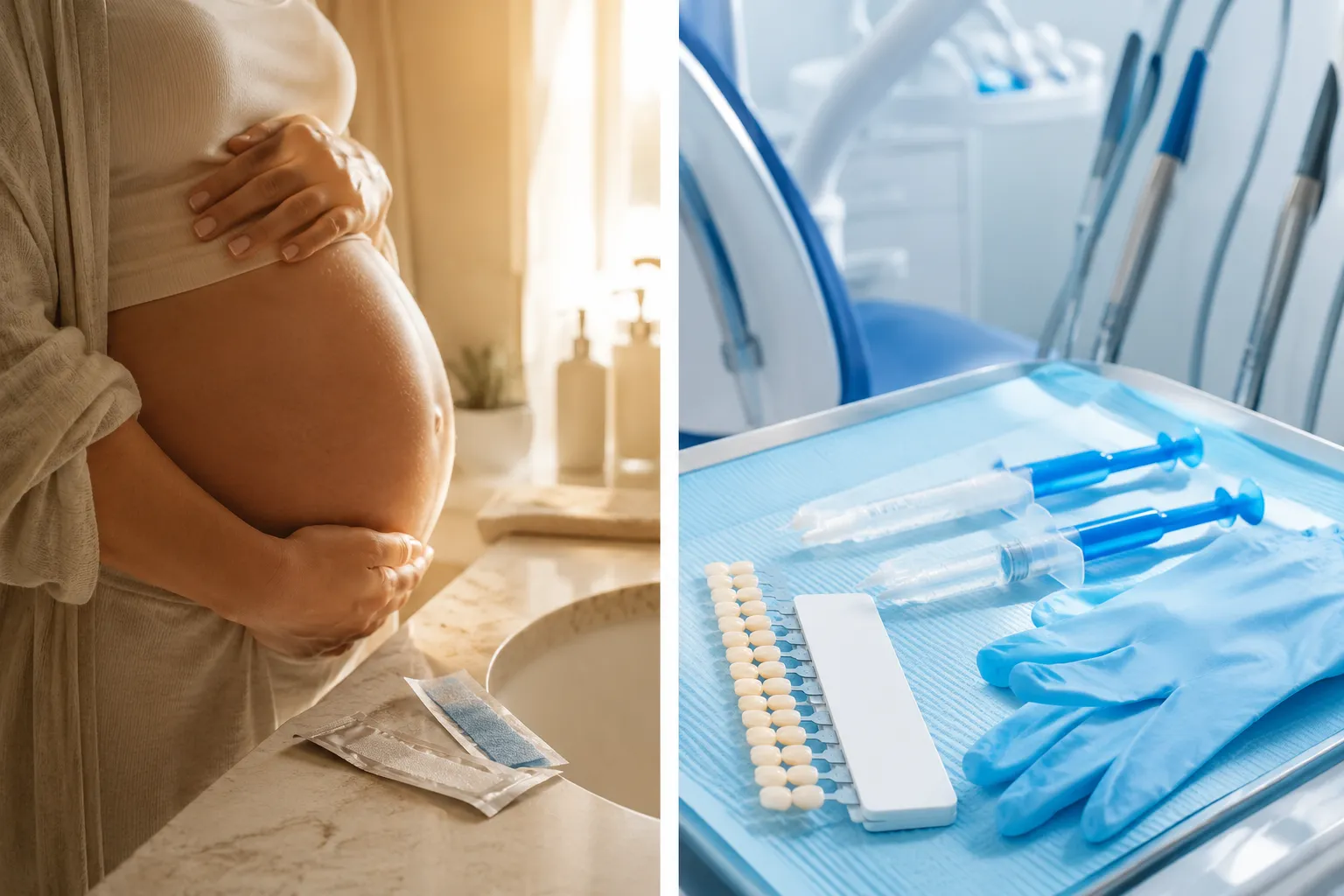
Nearly 60% of pregnant women report noticeable changes in their oral health during pregnancy, yet very few think to ask their dentist about cosmetic treatments like whitening. When the question “can pregnant women get teeth whitening, share your expertise” comes up in our Forest Hills practice, it opens a conversation that touches on safety, timing, hormones, and honest clinical guidance. This article brings together real patient stories, current dental science, and practical advice to help expecting mothers in Queens and across New York City make informed decisions about their smiles.
Book your teeth whitening in Forest Hills.
Table of Contents
Key Takeaways
- Professional teeth whitening is generally not recommended during pregnancy, particularly in the first trimester, due to limited safety data on whitening agents in developing fetuses.
- The active ingredient in most whitening products, hydrogen peroxide or carbamide peroxide, can penetrate soft tissue, raising precautionary concerns during pregnancy.
- Safer alternatives exist, including professional dental cleanings, gentle polishing, and improved oral hygiene routines.
- Pregnancy causes hormonal changes that increase the risk of gingivitis and enamel erosion, making routine dental care especially important.
- The safest approach is to postpone elective whitening until after delivery and breastfeeding, and to consult your dentist before using any whitening product.
Five Real Stories: What Expecting Mothers Ask About Teeth Whitening
Before diving into the clinical evidence, I want to share five stories from women whose experiences reflect the questions we hear most often. Names have been changed for privacy.
- 1. Maria, 28, First Trimester, Forest Hills Maria came in eight weeks into her first pregnancy. She had a wedding to attend in six weeks and wanted to brighten her smile for the photos. She had been using over-the-counter whitening strips before becoming pregnant and assumed they were safe to continue. When we explained that the first trimester is the most critical period of fetal development and that no whitening agent has been tested for fetal safety in clinical trials, Maria was surprised. She had no idea the strips could be a concern. We recommended a professional cleaning and polishing instead, which noticeably improved her smile’s brightness without any chemical exposure.
- 2. Jasmine, 33, Second Trimester, Jackson Heights Jasmine was in her second trimester and had read online that whitening was “probably fine” after the first trimester. She asked us directly: “Can pregnant women get teeth whitening, share your expertise, because I’m getting conflicting information.” Her honesty was refreshing. We told her that while some dentists take a more permissive stance in the second trimester, the American Dental Association and most OB-GYN guidelines still advise postponing elective cosmetic procedures until after delivery. Jasmine appreciated the transparency and chose to wait.
- 3. Priya, 31, Third Trimester, Rego Park Priya was seven months pregnant and experiencing significant tooth sensitivity, a common complaint during pregnancy due to hormonal changes and enamel softening. She had purchased a whitening kit online but had not yet used it. When she mentioned it during her checkup, we were glad she asked first. Whitening agents on already-sensitive teeth can cause significant discomfort and temporary enamel stress. We addressed her sensitivity with a fluoride treatment and recommended she revisit whitening options after she finished breastfeeding.
- 4. Sofia, 26, Postpartum, Flushing Sofia had postponed whitening throughout her pregnancy and came in three months after delivery, no longer breastfeeding. She was ready. We performed an in-office teeth whitening treatment and she was thrilled with the results. Her story is a good reminder that the wait is worth it, and that professional whitening delivers results that no at-home kit can match.
- 5. Danielle, 38, Pregnant with Second Child, Forest Hills Danielle was an experienced patient who had undergone whitening before her first pregnancy. She asked whether the rules had changed. We told her that the science in 2026 still supports caution. No new large-scale clinical trial has cleared whitening agents as definitively safe for use during pregnancy. Her OB-GYN agreed with our recommendation to wait.
Can Pregnant Women Get Teeth Whitening? What the Science Says
The short answer is: most dental and medical professionals advise against it, and here is why.
How Whitening Agents Work
Teeth whitening products, whether professional-grade or over-the-counter, rely on hydrogen peroxide or its precursor, carbamide peroxide. These compounds penetrate the enamel and dentin to break apart stain molecules through an oxidative chemical reaction. The same property that makes them effective at whitening also means they can be absorbed through the oral mucosa (the soft tissue lining the mouth) and enter the bloodstream.
During pregnancy, anything that enters the bloodstream carries at least theoretical potential to reach the developing fetus through the placenta. The core problem is not that whitening has been proven harmful, it is that it has not been proven safe for use during pregnancy. No randomized controlled trials have studied the effects of peroxide-based whitening agents on fetal development, and ethical constraints make such studies unlikely to be conducted.
What Professional Guidelines Say
The American Dental Association (ADA) and the American College of Obstetricians and Gynecologists (ACOG) both advise patients to postpone elective cosmetic dental procedures, including whitening, until after delivery. The concern is greatest in the first trimester, when organ systems are forming, but caution is recommended throughout pregnancy.
The American Academy of Pediatric Dentistry also notes that while routine dental care is safe and encouraged during pregnancy, elective cosmetic treatments should be deferred.
This is not alarmism. It is the application of the precautionary principle, when safety data is absent, the responsible clinical choice is to wait.
Pregnancy and Oral Health: The Bigger Picture
Pregnancy creates real and measurable changes in oral health that deserve attention regardless of whitening plans:
- Pregnancy gingivitis affects up to 75% of pregnant women, caused by elevated progesterone levels that increase gum sensitivity to plaque bacteria.
- Enamel erosion is common due to morning sickness and acid reflux, which expose teeth to stomach acid.
- Increased cavity risk results from dietary changes, dry mouth, and reduced saliva pH during pregnancy.
- Tooth sensitivity is frequently reported, making any peroxide-based product more uncomfortable.
For a deeper look at how gum health changes during pregnancy, our guide on why your gums may be bleeding when you brush is a useful resource. Similarly, comprehending how to prevent tooth enamel loss is especially relevant for expecting mothers dealing with acid exposure.
Safe Alternatives to Whitening During Pregnancy
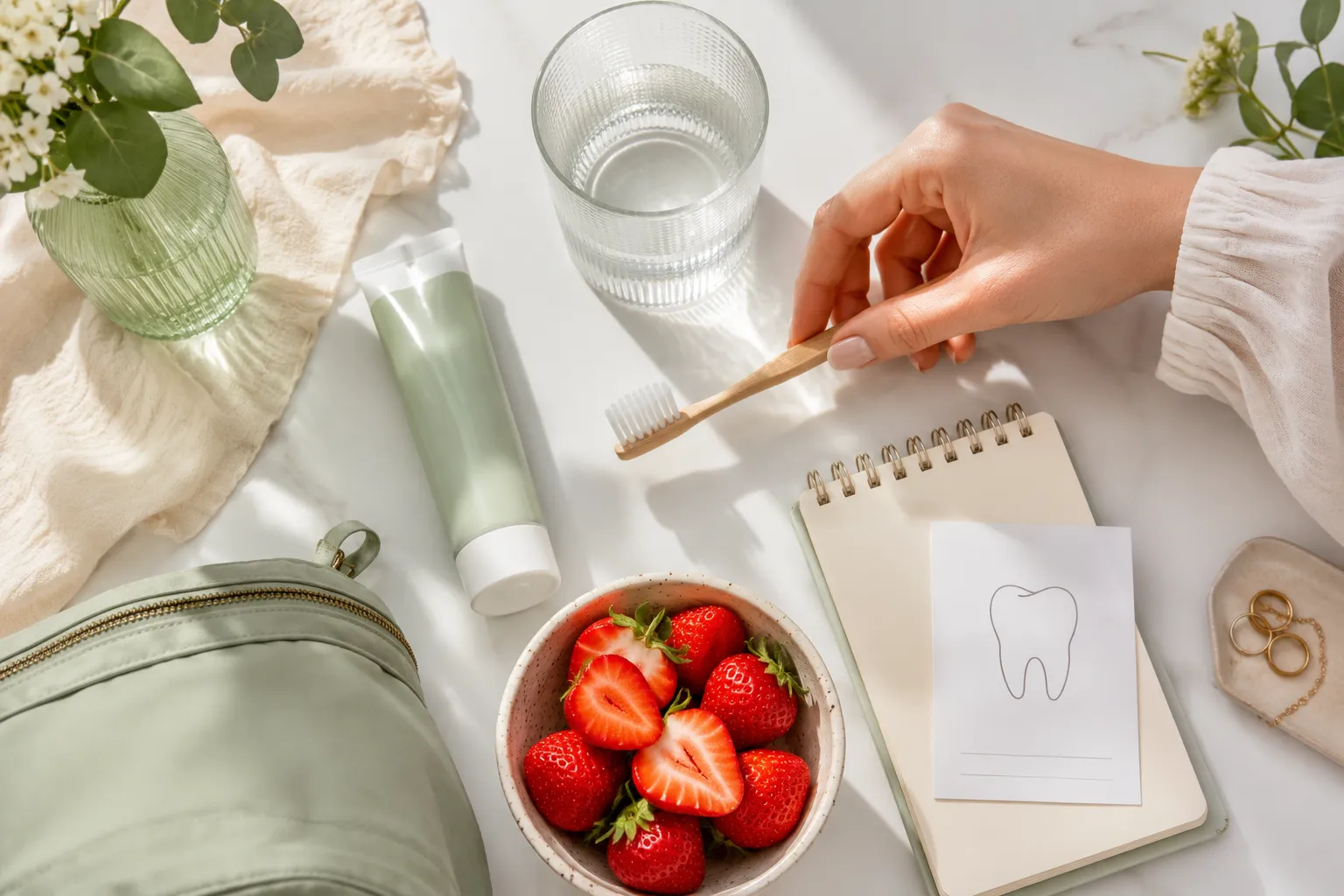
The good news is that there are several ways to maintain and even improve the appearance of your smile during pregnancy without using peroxide-based products.
Professional Dental Cleaning and Polishing
A thorough cleaning removes surface stains caused by coffee, tea, and food. Professional polishing can brighten teeth noticeably, without any chemical agents. This is the single most effective and safest cosmetic step you can take during pregnancy. We recommend that pregnant patients schedule cleanings every trimester, not just twice a year. You can learn more about this service through our dental teeth scaling and cleaning page.
Improved Home Care Routine
- Use a whitening toothpaste with low-abrasion formulas (check with your dentist first for enamel safety)
- Brush twice daily with a soft-bristle toothbrush
- Floss daily to reduce plaque accumulation that dulls teeth
- Rinse with a fluoride mouthwash approved for pregnancy (avoid alcohol-based rinses)
Dietary Adjustments
Reducing staining beverages like coffee, tea, and red wine, and rinsing with water after consuming them, can slow new staining. Crunchy vegetables like carrots and celery have a mild natural abrasive effect that helps clean tooth surfaces.
Plan Ahead for Postpartum Whitening
The most empowering thing you can do during pregnancy is plan. Once you have finished breastfeeding, professional whitening is a safe and highly effective option. Comprehending how much professional teeth whitening costs and whether dental insurance covers whitening can help you prepare. You may also want to explore whether whitening works with porcelain veneers if you have existing restorations.
What to Discuss With Your Dentist During Pregnancy
Every pregnancy is different. Your dentist should know you are pregnant at every appointment so that treatment decisions, including X-ray timing, anesthetic choices, and any cosmetic considerations, can be adjusted accordingly.
Bring these questions to your next visit:
- Is my gum health stable, or do I show signs of pregnancy gingivitis?
- Are there any cavities or sensitivity issues I should address before delivery?
- What oral hygiene products are safe for me to use right now?
- When is the best time to schedule my postpartum whitening appointment?
If dental anxiety is making it hard to attend regular checkups during pregnancy, our team is experienced in anxiety-sensitive care. Our article on how to tell your dentist you have anxiety may help you prepare for that conversation.
Why Routine Dental Care During Pregnancy Matters
Skipping dental visits during pregnancy is a common mistake. Research consistently shows that untreated gum disease during pregnancy is associated with adverse outcomes including preterm birth and low birth weight. Keeping your mouth healthy is not just a cosmetic concern, it is a health priority for both you and your baby.
At Madison Dental Art, founded in Forest Hills in 1994 by Dr. Alexander Chao, we have cared for pregnant patients across Queens and New York City for decades. Our team understands the unique oral health needs of expecting mothers and provides guidance that is both clinically sound and genuinely supportive. For a full overview of what to expect at a routine visit, see our general dental checkup page.
FAQs
Can pregnant women use whitening toothpaste safely?
Most whitening toothpastes rely on mild abrasives rather than peroxide and are generally considered lower-risk than gel-based whitening products. Nevertheless, formulations vary widely. Some do contain low concentrations of hydrogen peroxide. Always check the ingredient list and consult your dentist or OB-GYN before using any whitening product during pregnancy.
Is teeth whitening safe to do while breastfeeding?
The same precautionary logic applies to breastfeeding as to pregnancy, though the risk is considered lower since the fetus is no longer directly connected to the mother’s bloodstream. Most dental professionals recommend waiting until breastfeeding is complete before undergoing whitening treatments, particularly professional-grade peroxide applications. Discuss your specific situation with both your dentist and your OB-GYN for personalized guidance.
What dental treatments ARE safe during pregnancy?
Routine dental cleanings, examinations, cavity fillings (using pregnancy-safe anesthetics), and treatment of gum disease are all considered safe and recommended during pregnancy. The second trimester is generally the most comfortable time for dental procedures. Emergency treatments such as root canals or extractions should never be postponed due to pregnancy, untreated infections pose a greater risk than the treatment itself.
Why do teeth look more yellow during pregnancy?
Several factors contribute to tooth discoloration during pregnancy. Morning sickness exposes teeth to stomach acid, which erodes enamel and can make teeth appear more translucent or yellowish. Dietary changes, increased consumption of staining foods or beverages, and reduced saliva production all play a role. Hormonal changes can also affect the health of gum tissue, making teeth appear darker at the gumline. A professional cleaning can address surface staining, and a fluoride treatment can help strengthen enamel.
References
- American Dental Association. (2021). Oral health during pregnancy. ADA.org. https://www.ada.org/resources/research/science-and-research-institute/oral-health-topics/pregnancy
- American College of Obstetricians and Gynecologists. (2021). Oral health care during pregnancy and through the lifespan. ACOG Practice Bulletin. https://www.acog.org/clinical/clinical-guidance/committee-opinion/articles/2013/08/oral-health-care-during-pregnancy-and-through-the-lifespan
- National Maternal and Child Oral Health Resource Center, Georgetown University. (2022). Oral health care during pregnancy: A national consensus statement. https://www.mchoralhealth.org/PDFs/OralHealthPregnancyConsensus.pdf
- Centers for Disease Control and Prevention. (2023). Oral health: Pregnant women. CDC.gov. https://www.cdc.gov/oralhealth/oral_health_disparities/pregnant-women.htm
- Silk, H., Douglass, A. B., Douglass, J. M., & Silk, L. (2021). Oral health during pregnancy. American Family Physician, 83(11), 1294-1300. https://www.aafp.org/afp/2011/0601/p1294.html
- American Academy of Pediatric Dentistry. (2022). Oral health care for the pregnant adolescent. AAPD Reference Manual. https://www.aapd.org/research/oral-health-policies–recommendations/oral-health-care-for-the-pregnant-adolescent/
Madison Dental Art
Content written and reviewed by
Madison Dental Art Review Board
Madison Dental Art : Experienced dentists and specialists dedicated to providing accurate, trusted, and patient-focused oral health information.
Important information
The content of this article is for strictly educational and informational purposes. It does not replace in-person professional medical diagnosis, advice, or treatment.


