Is night guard covered by dental insurance, or will you be paying the full cost out of pocket? If you’ve been diagnosed with grinding or jaw pain, you may assume coverage is automatic, but that’s not always the case. Policies, medical necessity, and documentation all play a role. Before you schedule treatment, there’s something important you should understand.
Professional team at orthodontics in Forest Hills.
TL;DR:
Dental insurance may cover custom night guards prescribed and billed by a dentist, but over-the-counter guards are usually not covered. Approval depends on your plan type, medical necessity, documentation, deductibles, and annual maximums. Even when covered, patients often share costs. Verifying benefits, using correct billing codes, staying in-network, and leveraging FSAs or HSAs can help reduce out-of-pocket expenses.
Which Night Guards Are Typically Covered by Insurance?
Whether insurance helps pay for a night guard largely depends on the type of device and how it is obtained. Most dental plans clearly distinguish between over-the-counter products and professionally fabricated custom appliances. In general, over-the-counter guards, such as boil-and-bite or drugstore models, are not covered because they are considered consumer products rather than dental procedures.
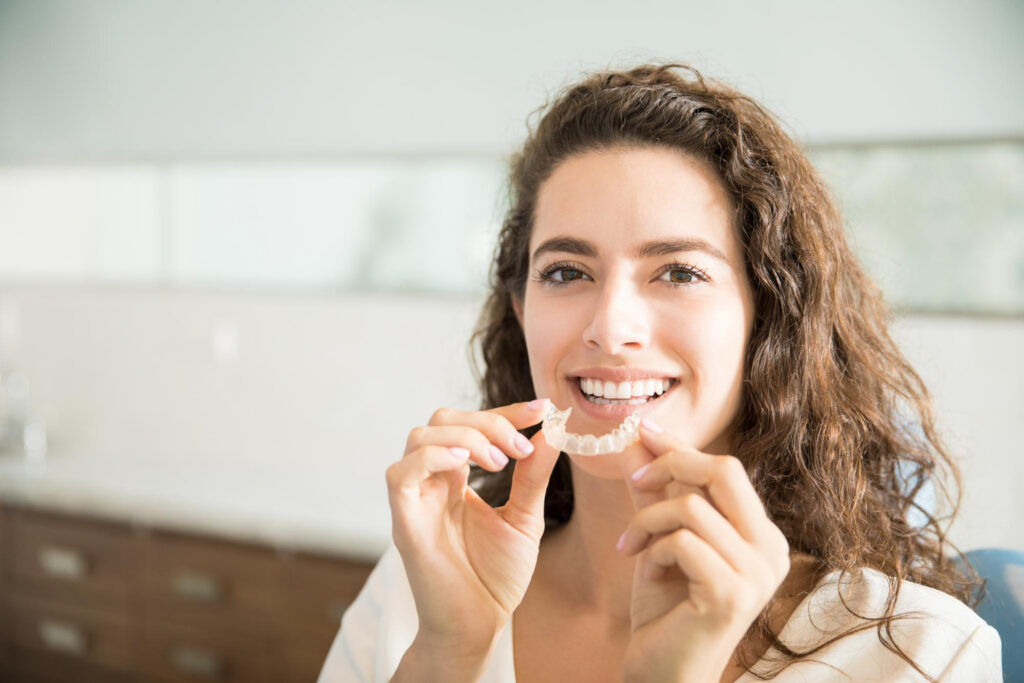
Custom-fitted night guards that are prescribed and billed by a dentist or dental specialist are much more likely to be considered for coverage. These appliances are made from impressions of your teeth and are submitted using specific dental procedure codes. Because they are categorized under major dental services rather than preventive care, coverage terms and reimbursement levels may vary depending on the plan.
Types of Night Guards Commonly Approved by Insurance
Insurance providers generally differentiate coverage based on how the guard is made and its documented purpose:
Custom Occlusal Guards:
These are fabricated from impressions taken by a dentist or specialist and are typically considered for coverage when medical necessity is documented.
– D9944 – hard appliance, full arch
– D9945 – soft appliance, full arch
– D9946 – hard appliance, partial arch
These codes allow insurers to identify the exact type of appliance during benefit processing.
Boil-and-Bite / Over-the-Counter Guards:
These are generally not covered because they are purchased directly by consumers and not billed as a professional dental service.
Medical / Durable Medical Equipment (DME) Exception:
In limited cases—such as when an occlusal appliance is part of medical treatment for obstructive sleep apnea under specific Medicare durable medical equipment guidelines, coverage may be possible if certain criteria are met.
How Coverage Varies Between Plans and Providers
Coverage for night guards is not consistent across all dental insurance plans. The amount your plan contributes depends on the specific structure of your policy and how the appliance is classified within your benefits.
One major factor is the type of dental plan you have. Indemnity (fee-for-service) plans may reimburse a portion of the cost if the night guard is listed as a covered benefit, typically after deductibles and co-insurance apply. PPO plans are often more flexible and may provide partial coverage when you visit an in-network provider. HMO or EPO plans tend to be more restrictive, usually requiring in-network dentists and prior authorization before approving benefits.
Another important consideration is medical necessity. When a dentist documents that a night guard is needed to prevent significant damage insurance companies are more likely to approve coverage. Nonetheless, if the guard is requested purely for preventive use without documented symptoms, claims may be denied.
Additionally, many plans include frequency limits (for example, one appliance every two to five years) or waiting periods before major services are covered. Coverage rules can vary widely, even within the same insurance company, so reviewing your Summary of Benefits before starting treatment is essential.
Understanding Co-Pays and Out-of-Pocket Costs
Even when a night guard is covered by insurance, patients are often responsible for part of the expense. Most dental plans require an annual deductible to be met before benefits begin. After that, coverage typically applies as a co-insurance percentage, meaning the plan may pay 50% to 80% of the approved cost for a covered custom device, while the patient pays the remaining balance.
In addition, many dental policies have annual maximums, commonly ranging from $1,000 to $1,500. If you have already used a significant portion of your yearly benefits on other treatments, the remaining coverage for a night guard may be limited. Costs can also differ depending on whether you see an in-network or out-of-network provider, with in-network visits usually resulting in lower out-of-pocket expenses. Because of these combined cost-sharing features, even a “covered” night guard may still involve meaningful personal expense.
Steps to Submit a Claim for a Night Guard
Comprehending the claims process can help reduce delays and unexpected costs:
- Pre-Authorization (if required):
Some plans request documentation before fabrication. A dentist may submit clinical notes, imaging, and a treatment plan explaining the need for the appliance. - Use the Correct CDT Code:
Proper billing with codes such as D9944, D9945, or D9946 helps insurers process the claim accurately. - Complete Claim Forms:
In most cases, the dental office submits the claim electronically. If you pay upfront, you may need to file a claim yourself using itemized receipts. - Follow Up on Explanation of Benefits (EOB):
After processing, you will receive an EOB outlining what was covered and what you owe. Reviewing this carefully helps identify discrepancies. - Appeal Denials (if necessary):
If coverage is denied, submitting additional clinical documentation through a formal appeal may sometimes result in reconsideration.
Tips to Maximize Insurance Benefits for Custom Guards
To reduce unexpected expenses, start by Verifying Benefits Before Treatment. Contact your insurer to confirm whether custom night guards are covered, which procedure codes are recognized, and what your deductible or co-insurance responsibilities will be. You should also Document Medical Necessity by ensuring your dentist clearly records signs of bruxism or related conditions and includes clinical findings with any pre-authorization request, as this can improve the likelihood of approval.
Another important strategy is to Stay In-Network, since seeing an in-network provider typically lowers out-of-pocket costs due to negotiated fee arrangements. In addition, Watch Your Annual Maximum by planning elective services, such as a custom night guard, earlier in the benefit year if you have already used part of your yearly coverage.
Finally, consider how you can supplement insurance benefits. By using FSAs or HSAs, you can apply pre-tax funds toward eligible dental expenses, including night guards. This approach can help offset costs even if your insurance coverage is limited or does not fully cover the appliance.
Key Takeaways.
- Coverage Depends on the Type of Night Guard
Over-the-counter guards are generally not covered because they are considered consumer products. Custom night guards prescribed and billed by a dentist are more likely to qualify for benefits. Proper coding and documentation play an essential role in approval. - Insurance Plans Differ in Structure and Requirements
Indemnity, PPO, and HMO/EPO plans vary in flexibility, reimbursement rates, and in-network rules. Medical necessity significantly affects approval, and plans may impose waiting periods or frequency limits. Reviewing your Summary of Benefits is essential before treatment. - Out-of-Pocket Costs Still Apply
Even when covered, patients may face deductibles, co-insurance (often 20%–50%), and annual maximum limits. In-network providers usually reduce costs. As a result, a “covered” guard can still involve substantial personal expense. - Proper Claims Submission Improves Approval Chances
Pre-authorization, correct CDT codes, and complete documentation help avoid delays or denials. Reviewing the Explanation of Benefits (EOB) and appealing denied claims with additional records may improve outcomes. - Proactive Planning Can Maximize Benefits
Verifying coverage in advance, documenting medical necessity, staying in-network, monitoring annual maximums, and using FSA or HSA funds can reduce financial burden. Strategic planning helps patients better manage both insurance coverage and overall costs.
FAQs:
Why doesn’t my dental insurance cover a night guard?
Many plans only cover custom night guards when they are deemed medically necessary and properly documented. Over-the-counter guards are typically not covered because they are considered consumer products, not professional dental procedures.
Is it worth getting a night guard from a dentist?
For many patients, yes. A custom guard provides better fit, comfort, and long-term protection against enamel wear and dental damage. It may also reduce jaw tension and related discomfort.
What is the average cost of a dental night guard?
Custom night guards from a dental office generally cost $300–$800+. Online custom options range from $100–$300, while over-the-counter guards typically cost $10–$60.
What are the alternatives to night guards?
Over-the-counter or boil-and-bite guards are lower-cost alternatives. Nevertheless, they are not truly custom-fitted and may provide less comfort and protection compared to professionally made appliances.
Sources.
Solomon, O., Earar, K., Cocoș, D. I., Forna, D. A., Brechler, C., Micu, A. A., … & Grigorescu, C. C. (2024). The role of dental guards in managing dental parafunction: a detailed analysis. Romanian Journal of Oral Rehabilitation, 16(3).
Elgeme, A. O., Barka, A. A., Kahloul, N. A., & Abou Traba, M. A. OCCLUSAL SPLINTS (NIGHT GUARDS) FOR MANAGING SLEEP BRUXISM: CASE STUDY.
You May Also Like:
Dental Insurance Plans That Cover Cosmetic Dentistry: What’s Really Included?