
If you’re dealing with a cavity and wondering whether it can be filled during your appointment, you’re not alone. The answer isn’t always as simple as it seems. In this article, we’ll explore the factors that determine whether a dentist can fill a cavity the same day and the main elements that influence this decision. Keep reading to find out!
Discuss dental care with the best dentist in Forest Hills, NY.
TL;DR:
A cavity can sometimes be filled the same day, but it depends on several factors, including the size and depth of the decay, the absence of infection or nerve involvement, the patient’s medical considerations, and the dental office’s schedule and resources. Dentists perform a thorough exam and may use X-rays to confirm that a simple filling is appropriate. The type of filling material, appointment urgency, and staffing also affect timing. After treatment, proper aftercare and follow-up help ensure comfort and long-term success.
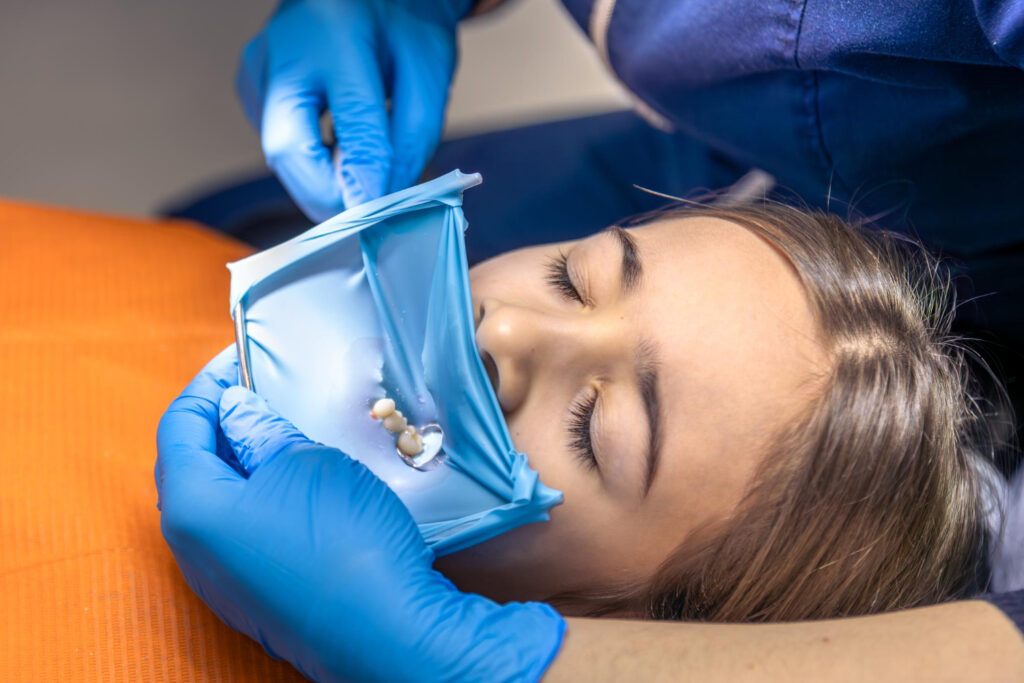
What Determines If a Cavity Can Be Filled Same Day?
Whether a cavity can be treated during the same visit depends on a mix of clinical judgment, patient-related considerations, and office logistics. The dentist must first determine that the tooth is suitable for a direct restoration rather than a more involved procedure.
From a clinical standpoint, same-day fillings are most appropriate when the decay is shallow to moderate in size and does not extend close to the pulp. There should be no active signs of pulpal infection, such as severe spontaneous pain, swelling, or a draining fistula. The tooth must also have enough healthy structure remaining to properly support a filling.
Patient factors also play a role. Medical history, bleeding risk, or an inability to tolerate treatment that day may delay care. Finally, practical considerations matter: the availability of chair time, trained staff, and restorative materials can affect whether treatment happens immediately or is scheduled for a follow-up visit, especially during busy or emergency-filled days.
Examination and Diagnosis Before Filling a Cavity
Before a cavity is filled, the dentist performs a careful examination to confirm that a simple filling is the right and safest treatment. This diagnostic process helps identify the depth of decay, rule out infection, and determine whether additional or alternative care is needed before proceeding.
Steps in the examination and diagnosis process:
- Medical and dental history review: Evaluating medications, bleeding or clotting risks, allergies (including to local anesthetics), and recent symptoms such as pain or sensitivity.
- Clinical examination: Visual inspection, tactile probing, and assessment of bite and restorability, with attention to signs of pulp involvement like spontaneous pain, swelling, or a sinus tract.
- Radiographs: Bitewing or periapical X-rays to assess lesion depth, interproximal decay, proximity to the pulp, and any periapical pathology not visible clinically.
- Caries risk assessment: Reviewing factors such as diet, fluoride exposure, saliva flow, and past cavity history to guide both restorative and preventive care.
- Treatment decision: If decay is deep or infection is present, the dentist may recommend alternatives, such as indirect restorations, pulp therapy, or scheduling a more complex procedure instead of a same-day filling.
Types of Fillings and Materials Used
Dentists choose filling materials by weighing clinical needs and practical considerations, such as where the cavity is located, how large it is, esthetic goals, durability, and cost. The material selected can influence whether a cavity can be treated with a same-day direct filling or requires a more complex approach.
- Resin-based composite (tooth-colored fillings): Commonly used for both front and back teeth when appearance matters. These materials bond to tooth structure, conserve healthy tooth tissue, and allow immediate shaping, but long-term success depends on technique, material quality, and biting forces.
- Dental amalgam: Traditionally valued for durability in load-bearing posterior teeth. Its use has declined but it may still be chosen when moisture control is difficult and strength is needed.
- Glass ionomer cement (GIC) / resin-modified GIC: Bonds chemically to the tooth and releases fluoride. Often used for small restorations, cervical areas, primary teeth, or situations with limited moisture control, including pediatric or atraumatic treatments.
- Indirect restorations (inlays, onlays, crowns): Used when decay is extensive or the tooth needs reinforcement. These are not routine direct fillings; some practices offer same-day indirect options using chairside systems, which differ from standard fillings.
- Clinical considerations for same-day care: Dentists evaluate material handling needs, isolation requirements, expected longevity, and whether additional steps like liners or buildup are necessary before completing the restoration.
Scheduling and Availability in Dental Offices
Even when a cavity is clinically suitable for a same-day filling, scheduling and availability within a dental office play a major role in whether treatment can happen immediately. Practices must balance patient needs, workflow, staffing, and administrative considerations, which can vary widely by setting.
Appointment type and urgency often guide same-day decisions. Many offices prioritize urgent or symptomatic cases (such as pain or swelling) for same-day slots. If a small cavity is found during a routine exam, the dentist may offer same-day treatment if time allows or schedule a follow-up visit if the schedule is full.
Clinic capacity and staffing levels also affect timing. The availability of operatories, dental assistants, and materials determines whether care can be completed that day. Administrative and billing rules may also influence same-day services. A practical tip for patients is to call ahead, explain symptoms, and ask about same-day restorative treatment to improve the chances of immediate care.
Aftercare and Follow-Up Recommendations
After a filling, simple aftercare steps help support comfort and the long-term success of the restoration. Paying attention to early sensations and following basic guidance can reduce complications and help the tooth settle properly.
- Immediate care and comfort:
Local anesthesia may cause numbness for a few hours, so avoid chewing or hot drinks until sensation returns. Many clinicians recommend waiting 1–2 hours before eating on the treated side and avoiding hard or sticky foods for 24 hours. If the bite feels uneven, contact the dentist for an adjustment. - Pain, sensitivity, and oral hygiene:
Mild sensitivity to temperature or pressure for a few days is common. Over-the-counter pain relievers usually manage discomfort. Persistent pain, swelling, fever, or a high bite should prompt re-evaluation. Continue brushing with fluoride toothpaste, daily flossing, and a low-sugar diet to reduce future decay risk. - Follow-up and monitoring:
A follow-up visit may be recommended for large fillings or if symptoms occur. Routine dental checkups help monitor restoration integrity and ongoing caries risk.
Key Takeaways
- Same-day fillings depend on multiple factors.
A cavity can be filled the same day only if clinical findings, patient health, and office logistics align. Dentists must confirm the tooth is suitable for a direct filling and that treatment can be done safely during that visit. - Clinical suitability is the first requirement.
Shallow-to-moderate decay, no signs of pulp infection, and enough healthy tooth structure support same-day treatment. Deep decay, infection, or limited restorability usually require alternative or delayed care. - Diagnosis guides the treatment decision.
Dentists rely on medical history, clinical exams, and X-rays to assess decay depth and infection risk. Caries risk assessment also helps determine whether a simple filling or more complex treatment is appropriate. - Filling materials affect feasibility.
Tooth-colored composites, amalgam, and glass ionomer cements are common for direct fillings, while large defects may need indirect restorations. Material handling and isolation needs influence whether care can be completed that day. - Scheduling and aftercare matter too.
Office availability, staffing, and urgency affect same-day options. After treatment, proper aftercare, monitoring symptoms, and routine follow-ups help ensure comfort and long-term success of the filling.
FAQs:
Do dentists fill cavities right away?
Sometimes. Dentists may fill a cavity the same day if it’s small to moderate, not infected, and there’s enough time and resources available. Otherwise, a follow-up visit may be scheduled.
How fast can a dentist do a filling?
A straightforward filling can often be completed in about 30–60 minutes once the exam and diagnosis are done, depending on the cavity’s size and location.
Is a cavity an emergency?
Not usually. Most cavities are not emergencies, but they should be treated promptly to prevent pain, infection, or the need for more complex care later.
Sources
Rathee M, Sapra A. Dental Caries. [Updated 2023 Jun 21]. StatPearls Publishing; 2025 Jan-. Available from: https://www.ncbi.nlm.nih.gov/books/NBK551699/
Garispe A, Sorensen C, Sorensen JR. Dental Emergencies. [Updated 2022 Dec 7]. StatPearls Publishing; 2025 Jan-. Available from: https://www.ncbi.nlm.nih.gov/books/NBK589664/
Worthington, H. V., Khangura, S., Seal, K., Mierzwinski-Urban, M., Veitz-Keenan, A., Sahrmann, P., Schmidlin, P. R., Davis, D., Iheozor-Ejiofor, Z., & Rasines Alcaraz, M. G. (2021). Direct composite resin fillings versus amalgam fillings for permanent posterior teeth. The Cochrane database of systematic reviews, 8(8), CD005620. https://doi.org/10.1002/14651858.CD005620.pub3
You May Also Like:
What Happens If You Get a Cavity Under a Filling?