
If you’re in severe pain and wondering will a dentist pull an infected tooth the same day?, the answer isn’t always as straightforward as it seems. Some infections require immediate action, others demand careful timing. In this article, you’ll uncover the essential factors dentists consider, and the one crucial detail that often determines whether treatment happens right away or must wait.
Consult about urgent tooth issues with a dentist in Queens Blvd.
TL;DR:
A dentist may pull an infected tooth the same day if the infection is localized and the procedure can be performed safely. Spreading infections, systemic symptoms, or medical risks usually require stabilization before extraction. The decision depends on clinical findings, imaging, patient health, pain management needs, and office availability, with complex or high-risk cases often referred or scheduled later.
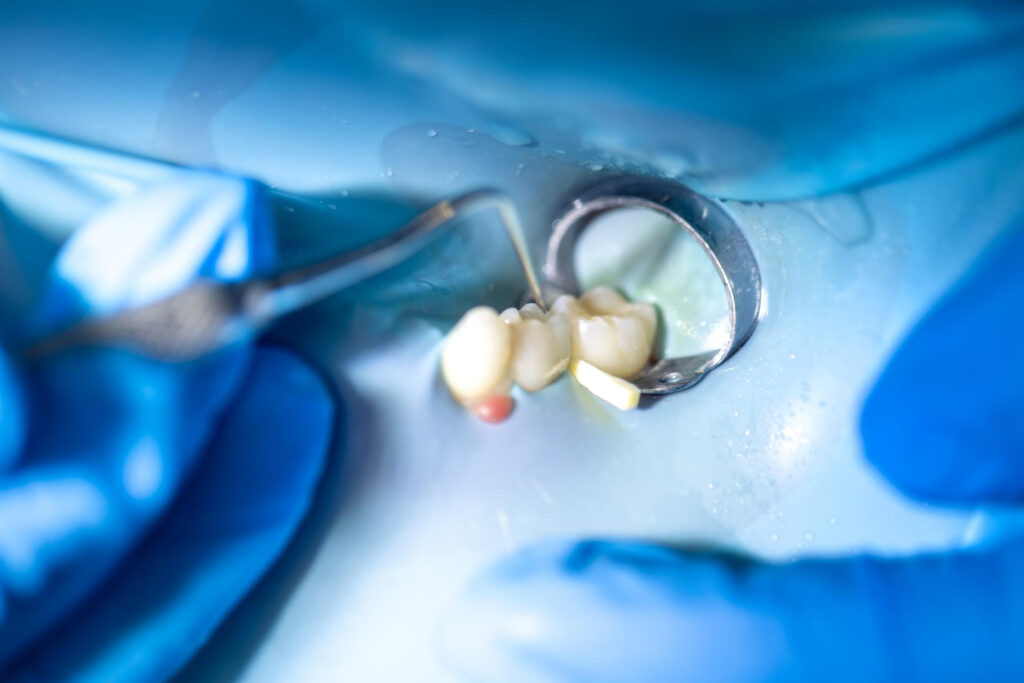
What Determines If an Infected Tooth Can Be Pulled Same Day?
Whether an infected tooth can be extracted immediately depends on several clinical and medical factors that determine if same-day treatment is safe. Dentists assess the severity and location of the infection, the patient’s overall health and medications, and the complexity or restorability of the tooth before deciding on urgent extraction.
For localized infections without systemic symptoms, same-day treatment is often possible if the clinician determines that the procedure can be performed safely. Nevertheless, infections that show signs of spreading, such as fever, significant swelling, or symptoms that may threaten the airway, generally require stabilization first. This may involve drainage, antibiotics, or other supportive measures before performing definitive treatment.
The decision also depends on whether the appropriate imaging, instruments, and clinical support are available. A patient’s medical history plays a main role as well: conditions such as blood-thinner use, immunosuppression, or cardiac issues may require consultation with a physician before proceeding. Ultimately, same-day extraction is only performed when the benefits clearly outweigh the risks and the patient can be treated safely.
Conditions Influencing Same-Day Tooth Extraction
Whether a tooth can be safely extracted on the same day depends on several clinical and medical factors that determine how urgent the procedure may be. Dentists evaluate the infection’s behavior, the patient’s overall health, and the technical complexity of the extraction before deciding if immediate treatment is appropriate.
- Severity and extent of the infection
Localized periapical infections that remain confined to the tooth or socket area, without systemic symptoms, are more likely to qualify for same-day extraction. By contrast, infections that have spread into fascial spaces, cause rapidly expanding swelling, or threaten the airway require urgent medical assessment. These cases often need initial interventions such as drainage or IV antibiotics before the tooth can be safely removed. - Systemic signs and comorbidities
Fever, malaise, elevated heart rate, or laboratory evidence of systemic infection signal the need for medical stabilization before extraction. Patients with significant health conditions may also require medical clearance or additional precautions. Guidelines consistently emphasize adjusting decisions based on individual patient risk. - Local anatomy and difficulty of extraction
Some teeth cannot be removed safely in a routine setting. Deep impactions, complex root shapes, or proximity to vital structures like sinuses or nerves may require referral to an oral surgeon and planned scheduling. Radiographs and a thorough preoperative assessment are essential in determining whether same-day extraction is feasible. - Presence of cellulitis, trismus, or drainage needs
If infection has progressed to cellulitis, caused significant trismus (limited mouth opening), or requires surgical drainage, same-day extraction is often not the safest option. In these situations, staged treatment reduces risk and leads to a safer definitive procedure later.
Initial Examination and Assessment of the Infection
A thorough assessment of a dental infection begins with gathering essential information that helps determine whether the tooth can be safely treated the same day or if staged care is necessary. By combining history, clinical findings, imaging, and risk evaluation, the clinician can distinguish a localized infection from one that requires urgent medical coordination.
What the initial exam includes:
- Focused history: Onset and progression of pain, presence of fever or systemic symptoms, and any prior antibiotic use to understand severity and timeline.
- Clinical examination: Evaluation of swelling, warmth, fluctuance, lymphadenopathy, trismus, and any airway-related signs that may indicate spreading infection.
- Vital signs: Recording temperature, pulse, and other indicators to detect systemic involvement.
- Imaging: Periapical radiographs or panoramic films to assess the source and extent of infection.
- Treatment determination: Identifying whether the infection is localized and suitable for immediate extraction/root canal, or spreading and needing coordinated medical/dental care.
- Antibiotic guidance: Using targeted antibiotics only when appropriate, prescribing short courses, and scheduling follow-up within a few days to confirm improvement.
Pain Management and Pre-Extraction Considerations
Effective pain control and careful clinical planning are essential before extracting an infected tooth. The focus is on keeping the patient comfortable while ensuring that any infection is managed safely and appropriately. Decisions about analgesics, antibiotics, and timing of care are based on clinical findings and evidence-supported recommendations.
Considerations before extraction:
- Pain management: Short-term analgesics are used to control acute dental pain, with non-opioid medications recommended as the first-line option whenever appropriate.
- Antibiotic use: Antibiotics are started only when clinically indicated, such as in cases of spreading infection, systemic symptoms, or when definitive treatment must be delayed. Routine prophylactic antibiotics for all extractions are discouraged to support responsible antibiotic stewardship.
- Evidence-based prescribing: When antibiotics are necessary, clinicians select agents and durations aligned with established guidance. Patients are typically re-evaluated within 48–72 hours to confirm improvement and adjust care if needed.
Scheduling and Availability in Dental Offices
Even when a same-day extraction is clinically appropriate, several practical factors determine whether it can happen immediately. Dental offices must balance operatory availability, trained staff, and access to essential imaging before proceeding. These operational elements influence how quickly a patient can receive definitive care.
During periods of high demand clinics may triage urgent cases, offering evaluation and stabilization right away but scheduling the actual extraction for the next available opening. Cases that are high-risk or surgically complex often require referral to an oral and maxillofacial surgeon, which shifts timing based on specialist availability and facility resources.
Local protocols, public-health guidance, and antibiotic stewardship practices also affect scheduling decisions. These frameworks help determine whether a tooth can be removed immediately or whether initial medical management is safer before extraction is attempted.
Key Takeaways
- Same-day extraction depends on infection severity and safety. Localized infections without systemic symptoms may be treated immediately, but spreading infections or airway risks require stabilization first. Dentists evaluate medical history, imaging, and procedural complexity before deciding.
- Clinical factors influence whether extraction is urgent or delayed. Systemic signs, complex anatomy, or conditions like cellulitis or trismus may require staged treatment. High-risk patients or difficult extractions often need referral to an oral surgeon.
- The initial exam determines if immediate treatment is appropriate. Dentists gather detailed history, perform a clinical exam, take vital signs, and use imaging to assess the infection. This helps distinguish cases suited for same-day care from those requiring coordinated medical management.
- Pain control and antibiotic decisions follow evidence-based guidelines. Non-opioid analgesics are recommended first, and antibiotics are used only when medically necessary. Short courses and follow-up reassessment help ensure safe recovery and avoid unnecessary prescribing.
- Scheduling and office resources affect same-day availability. Even when extraction is clinically justified, factors like operatory time, staff, imaging access, and public-health protocols influence timing. High-demand periods or complex cases may shift treatment to a later appointment.
FAQs:
Can a dentist pull a tooth when it’s infected?
Yes, if the infection is localized and there are no systemic symptoms, dentists can often perform a same-day extraction when it is judged safe. Spreading infections typically require stabilization first.
How soon should an infected tooth be pulled?
As soon as it is clinically safe. Localized infections may be treated immediately, while infections with fever, significant swelling, or airway concerns require medical management before extraction.
Are infected teeth more painful to extract?
Infections can increase tenderness and swelling, but dentists manage this with appropriate pain control. Safe extraction depends on infection severity, not pain level alone.
Can a dentist extract a tooth the same day?
Often yes, but only when the infection is localized, the patient’s health allows it, and proper imaging, instruments, and staff are available. Complex, high-risk, or spreading infections are usually scheduled later or referred.
Sources.
Abdullah, F. M., Hatim, Q. Y., Oraibi, A. I., Alsafar, T. H., Alsandook, T. A., Lutfi, W., & Al-Hussaniy, H. A. (2024). Antimicrobial management of dental infections: Updated review. Medicine, 103(27), e38630. https://doi.org/10.1097/MD.0000000000038630
Carrasco-Labra, A., Polk, D. E., Urquhart, O., Aghaloo, T., Claytor, J. W., Jr, Dhar, V., Dionne, R. A., Espinoza, L., Gordon, S. M., Hersh, E. V., Law, A. S., Li, B. S., Schwartz, P. J., Suda, K. J., Turturro, M. A., Wright, M. L., Dawson, T., Miroshnychenko, A., Pahlke, S., Pilcher, L., … Moore, P. A. (2024). Evidence-based clinical practice guideline for the pharmacologic management of acute dental pain in adolescents, adults, and older adults: A report from the American Dental Association Science and Research Institute, the University of Pittsburgh, and the University of Pennsylvania. Journal of the American Dental Association (1939), 155(2), 102–117.e9. https://doi.org/10.1016/j.adaj.2023.10.009
You May Also Like:
Symptoms and Need for a Root Canal: How to Know if You …